Is It Worth Going To Port Stephens?
An honest verdict on Port Stephens: why the Stockton Bight dunes justify the drive from Sydney, what the region does badly, and how a day trip works as a low-commitment test.
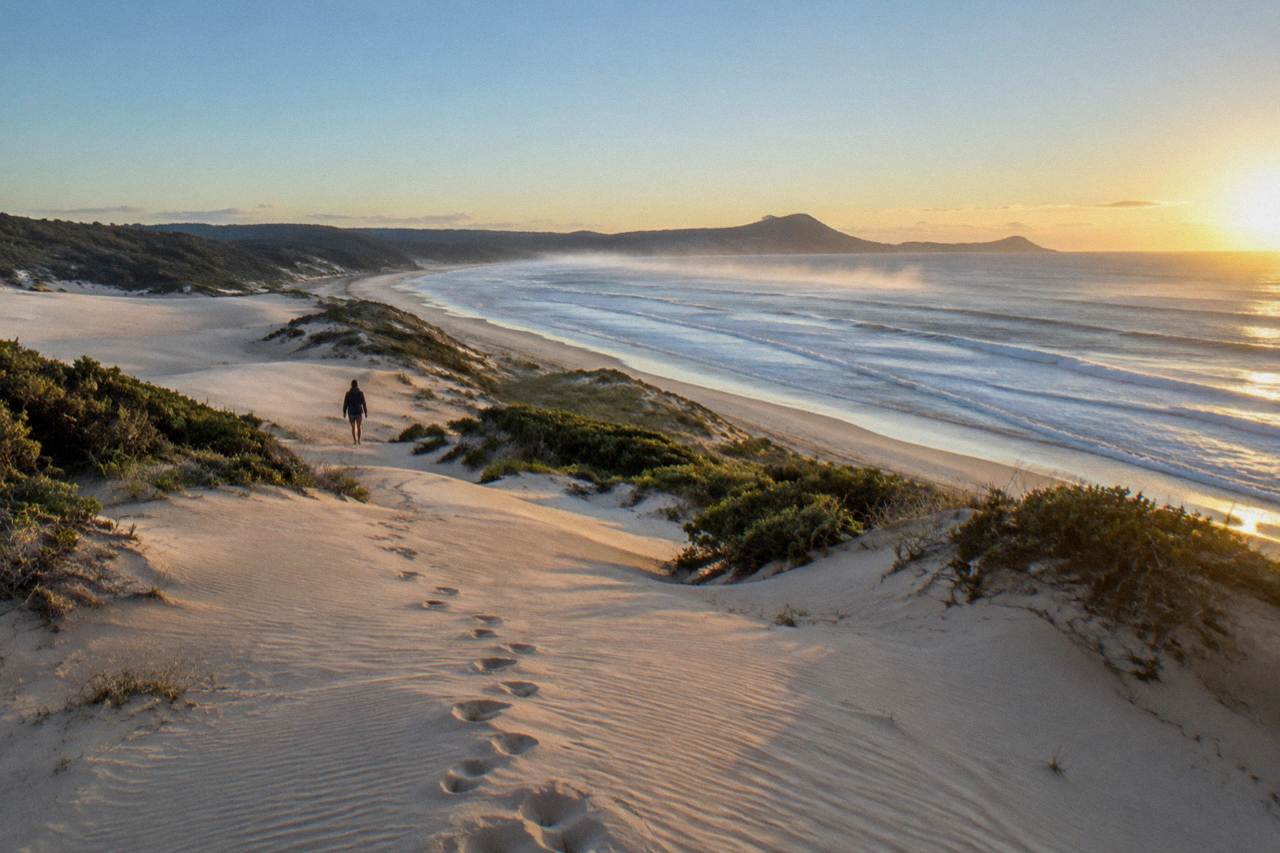
Port Stephens is a coastal region about two and a half hours' drive north of Sydney, and the honest answer to whether it deserves that drive is yes, with two conditions attached. The first condition is that you actually want what Port Stephens sells: sand, dunes, water and wildlife rather than restaurants, nightlife or a compact city scene. The second is timing, because the region rewards visitors who arrive outside the peak summer crush and the winter wind. This article weighs the reasons for going, the reasons to skip it, and the cheap day-trip test that lets you decide for yourself before committing to a full weekend. If you're torn between this stretch of coast and a competitor town, the Port Macquarie versus Port Stephens comparison lays out how the two stack up on dunes, beaches and the drive itself.
The headline reason needs no marketing gloss. The Worimi Conservation Lands at Stockton Bight hold the largest moving coastal sand dunes in the southern hemisphere, a fact stated plainly by NSW National Parks, and those dunes are the engine behind almost everything bookable in the region: sandboarding, 4WD tours, quad biking and camel rides all run on the same sand mass. Very few places within a morning's drive of a major city offer anything comparable.
Is It Worth Going To Port Stephens?
Yes, for most travellers, because the Stockton Bight dunes are genuinely rare, the sheltered bay adds dolphins and whales on top of the sand, and the region works at three price levels from a $27.76 sandboarding session to a full private day tour. It is not worth it for visitors who want urban density, guaranteed warm swimming water, or a destination that runs late into the evening, because Port Stephens is a nature-first region that winds down early. Once you've decided the region fits your style, the next question is scheduling, and the guide to planning your time on the Stockton Bight dunes covers everything from a quick sandboarding stop to a full day on the sand.
The verdict deserves unpacking rather than a bare yes. What pushes Port Stephens over the line for most people is concentration: within roughly twenty minutes' drive you can slide down a dune on a board, ride a camel along a beach, watch a resident dolphin population from a cruise, and climb a headland for a view over the whole bay. Port Stephens Sand Dune Tours covers the dune side of that list in depth, and the depth is the point. This is not a one-attraction town with a long tail of filler; the top four or five experiences here are all built on the same unusual geography.
The counter-argument is real, though, and pretending otherwise would make this verdict worthless. The region is spread out, public transport from Sydney is slow and awkward, the ocean beach on the Worimi lands is unpatrolled and currently under a swimming advisory, and a summer visit in school holidays means traffic on Nelson Bay Road and full car parks at Birubi Point. Visitors who arrive expecting a mini Gold Coast leave disappointed. Visitors who arrive expecting a big natural sandbox with a dolphin cruise attached tend to leave planning a return trip.
For anyone still unsure, there is a low-commitment test: the full-day tours from Sydney, which bundle the dunes, a cruise and the drive into one booked day from roughly $88 to $141 per person. If a single day of dunes and dolphins leaves you wanting more, the region has earned a weekend. If it does not, you have spent one day and a modest fare finding that out.
The three options above span the whole commitment spectrum. The featured Brighton Tours day trip stacks a 4WD dune and sandboarding session onto a dolphin cruise and a koala sanctuary stop, rated 4.8 from 277 reviews and priced from $140.64 per person. The M8 Explorer trip is the cheaper full-day alternative at from $88.26, swapping the koala stop for a choice between the dolphin cruise and the Mount Tomaree hike. The 4WD Tours R Us sandboarding session is the bare-bones option, from $29.84 for unlimited time on the dune, for travellers who would rather drive up and build their own day.
Why Do The Stockton Bight Dunes Justify The Trip?
The dunes justify the trip because they are the largest moving coastal sand mass in the southern hemisphere, they are Aboriginal-owned land co-managed with NSW National Parks, and they support five different ways to experience them, from a $27.76 sandboard session to a three-hour 4WD tour. Very few accessible coastal destinations in Australia put this much activity on a single natural feature.
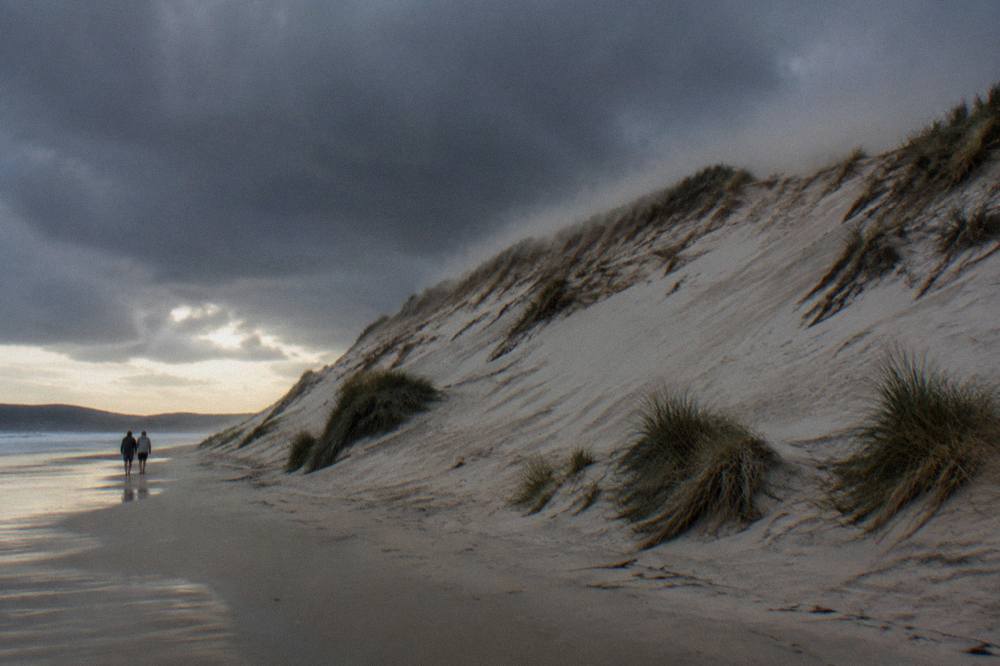
NSW National Parks describes the Stockton dunes as the largest moving coastal sand dunes in the southern hemisphere, and the land they sit on is owned by the local Worimi Aboriginal community and co-managed in partnership with the parks service. That matters for two reasons. First, the sand is not a theme park; it is a living landscape that shifts with wind and tide, and the cultural sites behind the frontal dune are protected for good reason. Second, the licensed tour operators here, the ones holding a Parks Eco Pass, include Aboriginal-owned businesses, so a share of what you spend on the dunes stays with the community that owns them.
The practical payoff is variety. Sandboarding alone comes in three flavours on this stretch of sand: Sand Dune Safaris is the only operator in Port Stephens offering both sit-down and stand-up boards, per its own listing, from $27.76 per person with a 4WD transfer included. 4WD Tours R Us runs unlimited sit-down sessions from $29.84, and Port Stephens 4WD Tours runs a sit-down-only session from $31.80. Add the quad bike tours, the camel rides at Birubi Point and the passenger 4WD tours, and a visitor could spend three full days on the dunes without repeating an activity.
The dunes also behave differently across the year, which shapes when to go. Sand shifts, wind reshapes slopes, and the parks service can close the lands for poor weather or fire danger, so the experience is never identical twice. That variability is part of the appeal for repeat visitors and part of the risk for anyone booking far ahead with a rigid itinerary.
Is A Day Trip From Sydney A Fair Test Of The Region?
A day trip is a fair test, with limits. The Sydney day trips here run about 12 hours, leave Central around 7:00am, and spend roughly 1.5 to 2 hours on the dunes plus a cruise or hike, which is enough to judge the headline experiences but not enough to feel the region's pace. Anyone testing Port Stephens this way should treat the day as a sample, not the full meal.
The drive itself frames the decision. Visit NSW puts Port Stephens two and a half hours north of Sydney by road, which means a self-driven day involves five hours behind the wheel for maybe six hours on the ground. The organised tours absorb that cost for you: the Brighton Tours Gray Line departure collects from around 6:45 to 7:00am, offers hotel pickup that can be requested when you book, and returns the same evening, rated 4.8 from 277 reviews. Lunch is not included, which keeps the price honest and lets you eat what you like in Nelson Bay.
The M8 Explorer version, from $88.26 and rated 4.4 from 92 reviews, makes the same round trip with a choice at the far end: the dolphin cruise or the Mount Tomaree summit hike. That choice is a useful proxy for the whole region. If the cruise appeals, Port Stephens is a water destination for you. If the hike appeals, the headlands and views will matter more than the bay. Either answer tells you how to plan a longer stay.
The limits of the day-trip test are worth naming. Twelve hours with a group means no lingering, no sunset on the dunes, no early-morning walk on an empty beach, and no time for the smaller pleasures, the lookouts, the fish and chips, the second slide down the dune because the first one was fun. A day trip tells you whether the raw material is worth a return visit. Only the return visit tells you whether the region suits you at its own speed. Travellers who already know they want the dunes can compare the full day trip options from Sydney against staying overnight.
What Does A Port Stephens Visit Actually Cost?
A dune-focused visit costs from $27.76 per person for a sandboarding session to $94 for a three-hour 4WD passenger tour, while full-day Sydney tours run from $88.26 to $140.64 per person and private tours from $350.52. A family of four sandboarding twice and adding one 4WD tour lands somewhere in the low hundreds per person for a weekend, before accommodation and fuel.
The honest comparison is per experience, not per day, because Port Stephens sells activities rather than a single entry ticket. The table below uses only listed prices from the tours on this site.
| Experience | From price (USD) | Duration | Rating and reviews |
|---|---|---|---|
| Unlimited sandboarding, Sand Dune Safaris | $27.76 per person | 1 to 2 hours at the dunes | 4.7 from 212 reviews |
| Unlimited sandboarding, 4WD Tours R Us | $29.84 per person | 1 to 1.5 hours typical | 4.5 from 574 reviews |
| Unlimited sandboarding, Port Stephens 4WD Tours | $31.80 per person | 1 to 2 hours | 4.4 from 139 reviews |
| Birubi Beach 4WD tour with sandboarding | $39.55 per person | 75 minutes | 4.8 from 127 reviews |
| Worimi quad bike adventure | $82.57 per person | 1 hour | 4.8 from 254 reviews |
| Beach and dune 4WD passenger tour | $94.00 per person | 3 hours | 5.0 from 30 reviews |
| Full-day Sydney tour with dolphin cruise or hike | $88.26 per person | About 12 hours | 4.4 from 92 reviews |
| Full-day Sydney tour with cruise, koalas and sandboarding | $140.64 per person | About 12 hours | 4.8 from 277 reviews |
Two caveats keep that table honest. The two tag-along tours are priced differently: the passenger version is $94.00 per person, while the own-vehicle version is $257.96 per vehicle with the first two people included, requires your own 4WD and a Worimi beach vehicle permit, and both are non-refundable, so read the conditions before booking. The 77Tours day trip from Sydney, from $172.78, has no reviews published yet, which is worth knowing rather than glossing over.
Against other Australian coastal short breaks, those numbers are competitive. The sandboarding floor of $27.76 is cheap by any standard, and even the premium full-day Sydney tour at $140.64 undercuts plenty of single-day reef or wildlife tours elsewhere in the country. The expensive part of Port Stephens is not the activities; it is the getting there and the staying, which is why the day-trip test has real financial logic.
The cheapest quality option here also happens to be one of the best-reviewed formats in the region. The 4WD Tours R Us unlimited sandboarding session, from $29.84 per person, carries 4.5 from 574 reviews, the largest review pool of any listing on this site, and the operator is a licensed Worimi tour operator listed by NSW National Parks.
What Are The Honest Reasons To Skip Port Stephens?
The honest reasons to skip it are weak public transport, early-closing townships, an unpatrolled ocean beach under a swimming advisory until 28 April 2027, and a spread-out geography that punishes visitors without a car. Anyone seeking nightlife, dense dining or reliably safe ocean swimming should spend their time and money elsewhere.
None of these are dealbreakers for the visitor the region suits, but they are real. Public transport from Sydney is the biggest one: there is no fast rail link, the train reaches Newcastle and the connection onward is by coach, and the route 130 timetable from Anna Bay toward Newcastle must be checked by the reader because frequencies are modest. A car-free visitor can reach the dunes, but the day loses flexibility, and the public transport question deserves its own research before you commit.
The swimming advisory deserves plain language. The beach within the Worimi Conservation Lands is unpatrolled and NSW National Parks advises against swimming there; a hazardous-surf alert covering the beach runs from 23 September 2026 to 28 April 2027. Birubi Beach is the patrolled option, with surf lifesaving patrols through the warmer months, but visitors imagining a swim-after-sandboarding routine should plan around the flags rather than assuming the whole coastline is available.
The third reason is rhythm. Anna Bay is a gateway suburb, Nelson Bay is a town that hums at breakfast and lunch and quietens after dark, and the region's best hours are early morning and late afternoon on the sand. Travellers who measure a destination by its evening life will find Port Stephens thin. Travellers who are asleep by 9:30pm because they spent the day climbing dunes will not notice. Before you pick a base, it helps to know how the pieces fit together, and the plain-English guide to Port Stephens versus Nelson Bay and Anna Bay explains which town suits a dune day best.
Finally, weather can cancel the point of the trip. The lands may close for poor weather or fire danger, operators run rain or hail in some cases but not unsafe wind, and a dune session in a gale is a different product from a dune session in sunshine. Building one flexible day into any itinerary is the standard advice here, and it is not cosmetic: the parks service states the closure possibility itself on its official pages.
When Is The Best Time To Visit The Dunes And The Bay?
The best window for most visitors is spring, from September to November, when whale season is still running, mean maximum temperatures sit in the low twenties, and rainfall is at its yearly low, followed by autumn, from March to May, for similar reasons. Summer suits swimmers and school-holiday families but brings heat, crowds and the year's highest rainfall months.
The Bureau of Meteorology's Williamtown records, the closest long-run station to the dunes, give the shape of the year: mean maximums of 28.3 in January falling to 17.2 in July, and mean rainfall that peaks in March at 127.2 mm and bottoms in September at 60.1 mm. Sand is softest and hottest under the summer sun, and a dune climb in January midday heat is a genuinely physical undertaking, so summer visitors should book morning sessions. Winter visits work, with mild daytime temperatures, but the wind off the water is cold and the whale-watching boats are the main draw rather than the sand.
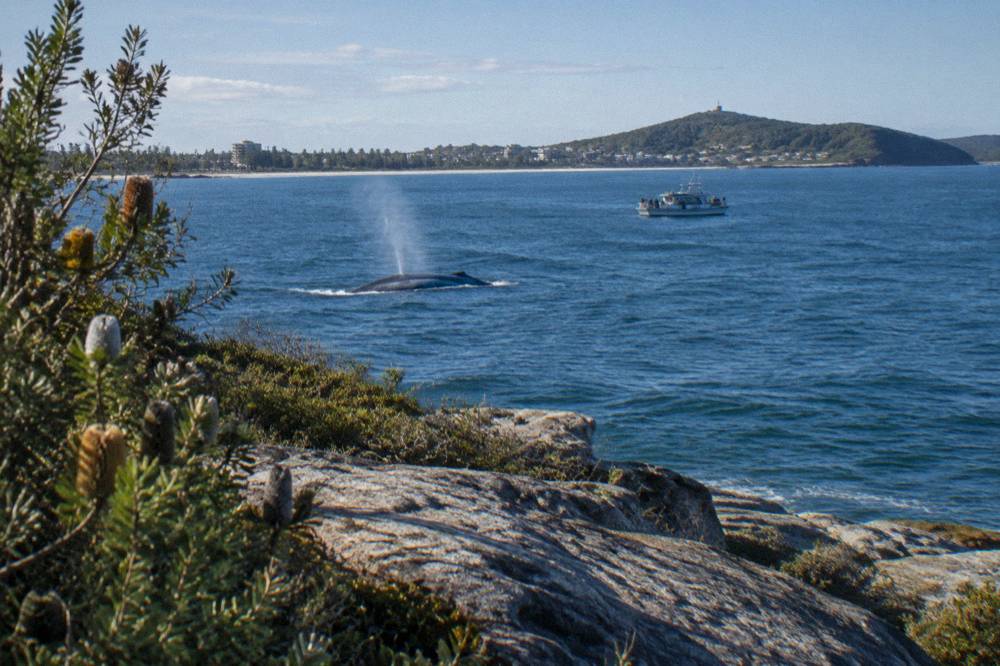
Whales are the seasonal wildcard. Port Stephens tourism reports that up to 40,000 humpbacks travel past the coastline each year, with the season running May to November: adults heading north from May to July, and mothers returning south with newborn calves from September to November. Operator season windows for 2026 run from 23 May to 8 November and 20 May to 1 November, and sightings of humpbacks with calves were still being reported through late September and early October 2026. A spring visit therefore stacks two experiences: whales on the water and mild conditions on the dunes.
School holidays compress the calendar. NSW spring holidays run 28 September to 9 October 2026, and the summer break runs 18 December 2026 to 27 January 2027. During those windows, Anna Bay and Birubi Point carry heavy visitation, parking tightens, and the sandboarding dunes are busy but never full, because the sand mass is large enough to absorb a crowd. Visitors who can travel outside those fortnights should; visitors who cannot should book sessions in advance and arrive early in the day.
The resident dolphins remove one piece of timing pressure. Bottlenose dolphins live in the bay year-round, so a dolphin cruise is not a seasonal gamble the way a whale cruise is. That makes Port Stephens unusual among NSW coastal stops: the water wildlife is reliable in any month, and only the whales ask for planning.
What Would A Worthwhile Itinerary Actually Look Like?
A worthwhile first itinerary is two days: day one built around the dunes with a morning sandboarding or quad session and an afternoon 4WD tour, day one evening at Birubi Point, and day two on the water with a dolphin or whale cruise plus the Tomaree Head summit walk, about 2.2 km return and steep. A third day, if added, should be the slow day, and that is usually the day that converts visitors into repeat visitors.
Day one belongs to the sand. The morning slot is the right one: the dune is cooler, the light is better for photographs, and the afternoon remains for the less physical activities. A sandboarding session runs 1 to 2 hours on the hill after a short 4WD transfer, so pairing it with a three-hour passenger 4WD tour in the afternoon is realistic in one day. The quad bike option compresses the dune experience into a single high-energy hour: the Sand Dune Adventures tour, from $82.57 per person and rated 4.8 from 254 reviews, is Aboriginal-owned, open to drivers 16 and over, and meets at Murrook Culture Centre.
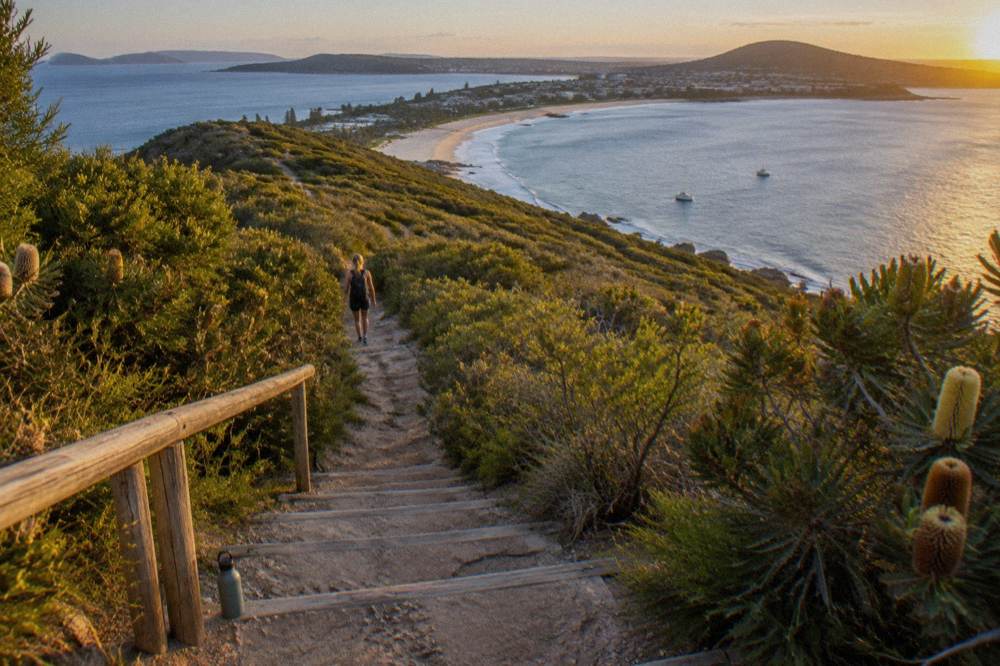
Day two belongs to the bay. The dolphin cruise is the reliable core, the Tomaree Head summit walk is the free highlight, about 2.2 km return, steep with many steps, and no entry fee is stated on the official track page. The view from the top takes in the whole port, the coastline and the dune system from a distance, which is the moment many visitors finally grasp the scale of the sand mass they were sliding down the day before. The walk is Grade 5 and genuinely steep, so it is not a gentle stroll, but it is short enough that most reasonably fit visitors complete it.
The evening of either day can include the camel rides at Birubi Point, with a caveat that matters: day rides are walk-in only, no bookings taken, roughly every half hour from 10:00am to a last departure at 3:30pm, closed Wednesdays but daily in school and public holidays, at listed prices of A$50 for adults and A$45 for children under 15. The 60-minute sunset rides run Fridays and Saturdays only, cost A$140, and are the one camel product booked online, riders 10 and up. No tour on this site includes a camel ride, so treat it as a separate, cash-friendly extra.
The third day, for visitors who extend, is where Port Stephens either wins loyalty or does not. A slow morning at Birubi Beach between the flags, a drive to Gan Gan Lookout, an unhurried lunch in Nelson Bay, and a second, better-informed session on the dunes: that is the shape of the day that turns a verdict into a habit. Readers planning the fuller version can start from the roundup of things to do across Port Stephens and the detailed guide to Anna Bay and the dune gateway.
Common Questions About Port Stephens
Is It Worth Going to Port Stephens?
For most travellers, yes. The Stockton Bight dunes are the largest moving coastal sand dunes in the southern hemisphere, the bay carries resident dolphins and seasonal whales, and the core experiences start from $27.76 per person. It is not worth it for visitors who want nightlife, dense urban dining or guaranteed ocean swimming, since the Worimi beach is unpatrolled and under a swimming advisory until 28 April 2027.
How Many Days Do You Need in Port Stephens?
Two days covers the essentials: one for the dunes, sandboarding, a 4WD or quad tour, and Birubi Point, and one for the water, a dolphin or whale cruise and the Tomaree Head summit walk. A third day rewards visitors who enjoy the region's slower rhythm and want a repeat dune session. A single day trip from Sydney works as a sample but not as the full experience.
Is Port Stephens Better Than Port Macquarie?
They suit different trips. Port Stephens leads with the dune system, the sheltered bay and the dolphin and whale cruises; Port Macquarie leads with koala experiences and its own coastal walks. Both sit on the NSW north coast and both are reachable from Sydney in a long day's drive. If sliding down the largest moving coastal sand mass in the southern hemisphere is the priority, Port Stephens wins on that alone.
Can You Visit Port Stephens Without a Car?
You can, with planning. A train to Newcastle and a coach connection reaches the region, and the route 130 coach links Anna Bay toward Newcastle, but frequencies are modest and the current timetable must be checked. The organised day tours from Sydney solve the problem for a first visit by including the dunes and the cruise in one booked day. For a multi-day stay, a car is the practical choice.
What Is the Cheapest Way to Experience the Dunes?
The cheapest bookable option is the Sand Dune Safaris unlimited sandboarding session, from $27.76 per person, which includes the 4WD transfer to the dune, board hire and instruction. Walking onto the Worimi lands is free for pedestrians, but commercial sandboarding on the dunes requires a licensed operator, so the free visit and the board experience are separate things.