Which Is Better, Port Macquarie Or Port Stephens?
A fair, fact-based comparison of Port Macquarie and Port Stephens: the dunes, the bay, the beaches, the seasons and the drive, so you can pick the coastal town that suits your trip.
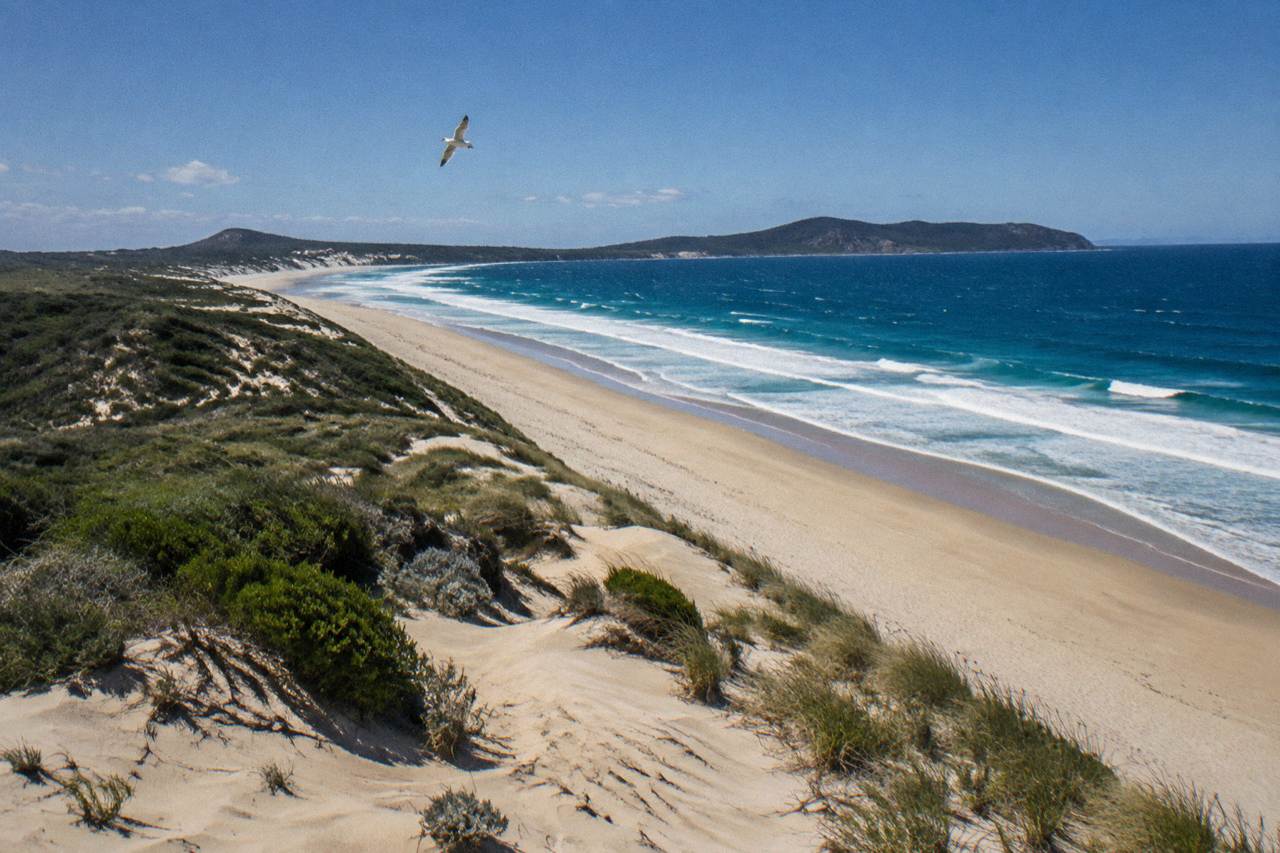
Two towns, one coastline, and a question every northbound Sydney driver eventually asks: which is better, Port Macquarie or Port Stephens? The honest answer is that they are built for different trips. Port Stephens, two and a half hours north of Sydney, pairs a vast sheltered bay with the Stockton Bight dunes at Anna Bay, the largest moving coastal sand dunes in the southern hemisphere according to NSW National Parks. Port Macquarie, further up the coast, leans on koala encounters, the Hastings River and a classic river-mouth beach town.
This comparison looks at what each place genuinely does well, with the Port Stephens side covered in detail: what the dunes offer, how the two towns differ as bases, which is easier to reach, and how the seasons treat each of them.
Which Is Better, Port Macquarie Or Port Stephens?
For dunes, sandboarding, quad biking and a bay full of resident dolphins, Port Stephens is the stronger pick, and it is the closer of the two to Sydney. Port Macquarie is the better choice if your holiday centres on koalas, a river township and a longer coastal drive. Neither town wins outright, because they are not really competing for the same traveller.
The comparison starts with the headline difference. Port Stephens is a region built around a large sheltered bay, with Nelson Bay as its main town and boat-trip hub and Anna Bay as the gateway to Birubi Point and the dunes. The Worimi Conservation Lands, owned by the local Worimi Aboriginal community and co-managed with NSW National Parks, hold the Stockton Bight dunes, and that sand mass is the single biggest thing separating the two destinations. Nothing on the mid-north coast, Port Macquarie included, offers the same combination of 4WD dune tours, sandboarding hills and quad bike riding on a moving sand system.
Port Macquarie answers with a different set of assets. Destination NSW positions it around koala encounters, including the koala hospital and boardwalk, Hastings River cruises and its beaches. It is a river town at heart, where the Hastings meets the sea, and its visitor identity is greener and more town-centred than the dune-and-bay identity of Port Stephens.
If sand is the reason for the trip, the decision is already made. The cheapest sandboarding session at Port Stephens starts at $27.76 per person, and a 75 minute 4WD beach and dune tour with sandboarding runs from $39.55. Those prices are hard to beat for a full dune experience anywhere in NSW.
For a fuller picture of the sand side, the sandboarding in Port Stephens guide breaks down every operator, board type and price on the water, and the Stockton Bight dunes guide explains what the Worimi Conservation Lands are and how access works. Both are worth a read before you commit to either town.
What Does Port Stephens Do Better?
Port Stephens does three things Port Macquarie cannot match: it puts you on the largest moving coastal sand dunes in the southern hemisphere, it puts you on a quad bike in those dunes, and it gives you a sheltered bay where dolphin cruises run year-round. Its dune product range runs from $27.76 for unlimited sandboarding to $257.96 per vehicle for a tag-along 4WD tour in your own vehicle.
The dunes are the centrepiece. The Worimi Conservation Lands cover Worimi National Park, a state conservation area and a regional park, and NSW National Parks describes the Stockton dunes as the largest moving coastal sand dunes in the southern hemisphere. Stockton itself, at 32 km, is the state's longest beach. Behind the frontal dune sit more than 1,800 hectares of forest, and the lands hold middens, campsites and burials of deep Aboriginal cultural significance, which is why the area is owned and co-managed by the Worimi community rather than treated as a simple playground.
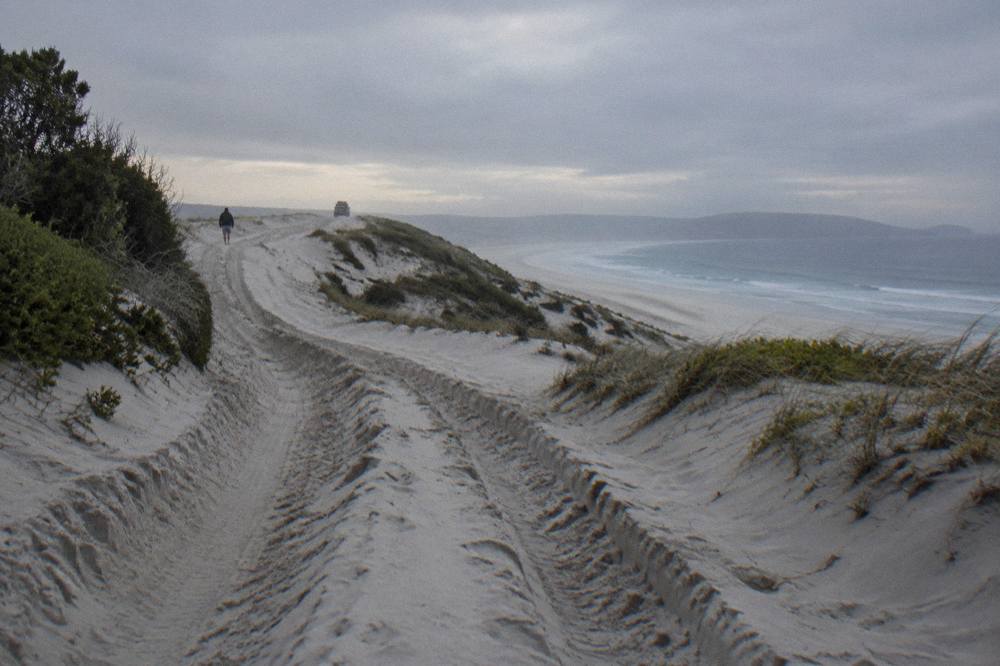
What that means in practice is a genuine product menu. Three operators run unlimited sandboarding sessions from Anna Bay: Sand Dune Safaris from $27.76 with sit-down, beginner stand-up and pro stand-up boards, 4WD Tours R Us from $29.84, the most reviewed sandboarding listing here at 4.5 from 574 reviews, and Port Stephens 4WD Tours from $31.80, sit-down boards only. Sand Dune Adventures, an Aboriginal-owned operator, runs a one hour quad bike tour from $82.57 per person, rated 4.8 from 254 reviews. A 4WD tag-along passenger tour covering beach and dunes over three hours runs from $94.00 per person, rated a perfect 5.0 from 30 reviews, though it is non-refundable, and the same operator runs a tag-along in your own 4WD from $257.96 per vehicle with the first two people included.
The bay is the second asset. Port Stephens tourism reports that up to 40,000 humpback whales travel past the coastline each year, with the 2026 whale watching season running from May to November, and resident bottlenose dolphins support dolphin cruises outside the whale months. Nelson Bay is the boat hub, so a single base gives you both the dune country and the water. That combination, sand mass on one side, sheltered bay on the other, in a compact area about 2.5 hours from Sydney, is the core of the Port Stephens case.
For travellers who want to sample the dune side without driving themselves, the Birubi Beach 4WD tour with sandboarding is the natural entry point: 75 minutes, from $39.55 per person, rated 4.8 from 127 reviews, with free cancellation. Check availability if that format suits your group.
What Does Port Macquarie Do Better?
Port Macquarie is the stronger base for a koala-focused holiday, a river-cruise holiday and a town-centred stay, with the koala hospital and boardwalk and Hastings River cruises as its signature experiences. It suits travellers who want cafes, galleries and gentle wildlife within walking distance rather than dunes, transfers and sand in their shoes.
Destination NSW's own trail content for the region puts koala encounters first: the koala hospital and the boardwalk are the experiences the state tourism body leads with. For families with young children, or travellers whose interest in wildlife is specifically koalas rather than dolphins or whales, that is a real advantage. Port Stephens has no equivalent product, and no koala-focused listing appears among the tours on this site.
The Hastings River gives Port Macquarie a second string: river cruises, a river-mouth township and waterfront dining that faces calmer water than the open surf beaches. The town reads as a settled regional centre with a genuine year-round population, which some travellers prefer to the more seasonal, holiday-park feel of parts of the Port Stephens coast. If your ideal day is a flat-white, a boardwalk stroll and a gentle cruise rather than a 4WD transfer up a sand hill, Port Macquarie answers that brief better.
What Port Macquarie does not have is the sand. There is no equivalent of the Stockton Bight dune system, no sandboarding product family, no quad bike operation on a moving sand mass and no tag-along 4WD scene. That is not a criticism, it is a difference in kind. The comparison in the table below puts the two side by side on the things that actually decide a trip.
| What you want from the trip | Port Stephens | Port Macquarie |
|---|---|---|
| Sand dunes and sandboarding | The largest moving coastal sand dunes in the southern hemisphere, sessions from $27.76 | No comparable dune system or sandboarding product |
| Quad biking on dunes | Aboriginal-owned operator, 1 hour tours from $82.57 | Not offered |
| 4WD beach and dune tours | Multiple licensed operators, from $39.55 per person to $257.96 per vehicle | Not offered on a comparable scale |
| Koala experiences | None of the tours here | Koala hospital and boardwalk, a signature attraction |
| Dolphin and whale watching | Sheltered bay, dolphin cruises year-round, whale season May to November | Coastal whale watching, no equivalent sheltered bay |
| River cruises | Limited, the bay is the focus | Hastings River cruises, a core product |
| Town and dining scene | Nelson Bay hub, spread-out region | Compact river-town centre |
One honest caveat on the Port Macquarie side: the Port Stephens prices come straight from the live listings, but no comparable price set is available for Port Macquarie's attractions, so none is printed here. Check costs with each operator before you book. Treat any Port Macquarie pricing you see elsewhere as something to confirm with the operator directly.
How Do The Two Towns Compare For A Beach Holiday?
As a pure beach holiday, Port Stephens offers more variety, from the patrolled sand at Birubi Beach to the long unpatrolled stretch of the Worimi lands, while Port Macquarie offers dependable town beaches close to accommodation. Port Stephens wins on variety and scale, Port Macquarie wins on convenience, and the swimming alert on the Worimi beach means the patrolled options matter at both.
Port Stephens is a region of many beaches rather than one town beach. Birubi Beach at Anna Bay is the patrolled option, with surf club patrols through the warmer months, and it doubles as the scenic backdrop to the dune tours. The Worimi beach itself, the 32 km Stockton stretch, is unpatrolled, and NSW National Parks currently lists a beach unsafe for swimming alert covering it from 23 September 2026 to 28 April 2027 due to hazardous surf. That alert is a planning fact, not a dealbreaker: it steers swimmers to the patrolled flags at Birubi rather than into the open dune-front surf.
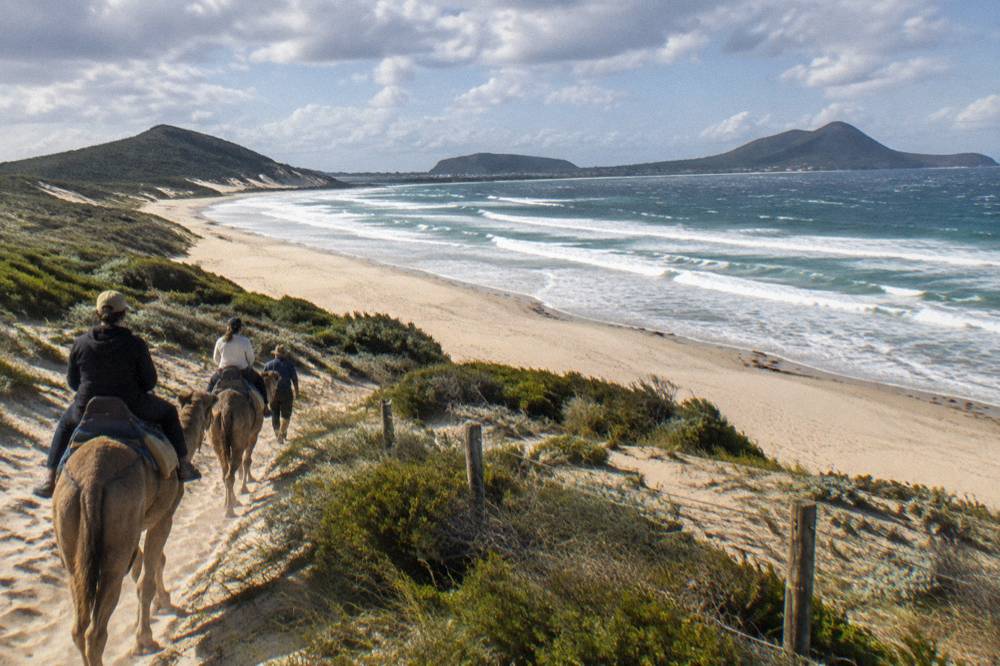
Port Macquarie's beaches sit closer to its town centre, which is the convenience argument. You can walk to the sand from many parts of town, and the river-mouth setting means calmer options exist for families. The trade is scale: none of Port Macquarie's beaches carries the drama of a dune system rising directly behind the sand, and none anchors a tour economy the way the Stockton Bight dunes do for Anna Bay.
For a beach-plus-activity holiday, that second point matters more than it first appears. A Port Stephens beach day can become a sandboarding morning, a 4WD dune run or a camel ride at Birubi Point without changing base. The camel rides are walk-in only, closed Wednesdays, with day rides from 10:00am and a last departure at 3:30pm, listed at A$50 for adults and A$45 for children under 15 on the operator's own site, and only the Friday and Saturday sunset rides take online bookings. Port Macquarie's beach day is a beach day, pleasant and self-contained.
The Birubi Point and Birubi Beach guide covers the patrolled swimming, parking and the camel meeting point in full if the beach side of Port Stephens is drawing you in.
Which Is Easier To Reach From Sydney?
Port Stephens is the easier reach: Visit NSW puts it a 2.5 hour drive from Sydney, with Nelson Bay two hours 45 minutes, and Newcastle Airport about 30 minutes from Nelson Bay. Port Macquarie is a longer drive further up the coast, which makes Port Stephens the natural choice for a weekend and Port Macquarie more of a stop on a longer north-coast itinerary.
The verified drive figures all come from Visit NSW's official pages. Port Stephens sits close enough to Sydney that a Friday-night departure gets you there the same evening, and the region's day-trip economy proves the point: four full-day tours from Sydney operate here alone, departing Sydney Central around 6:45 to 7:00am and returning the same night. The most reviewed of them, a dolphin, koala, 4WD and sandboarding day trip rated 4.8 from 277 reviews, runs from $140.64 per person and includes hotel pickup, with the pickup time emailed the day before.
Port Macquarie sits beyond that day-trip radius, which cuts both ways. The longer drive filters out the weekend crowds that can fill Anna Bay car parks in school holidays, and it makes the town feel like a proper destination rather than a suburb of Sydney tourism. But for a two or three night break, the arithmetic favours Port Stephens: less windscreen time, more dune time.
Public transport tilts the same way. Trains reach Newcastle with connections toward the coast, and Port Stephens Coaches route 130 links Anna Bay and Nelson Bay toward Newcastle, though timetables must be checked directly with the operator. Newcastle Airport, about 30 minutes from Nelson Bay by car, gives Port Stephens a regional airport option. Port Macquarie also has its own airport, but the Sydney-side traveller weighing a spontaneous weekend will find Port Stephens the lower-friction choice.
Which Is Better For Families?
For families, Port Stephens offers more high-energy, memorable activity per dollar, with children 3 and under free on the cheapest sandboarding listing and beginner sit-down boards at every sandboarding operator, while Port Macquarie suits families whose children are younger or less sand-focused, with koalas, flat river water and walkable beaches. Kids who can climb a dune will remember Port Stephens longer.
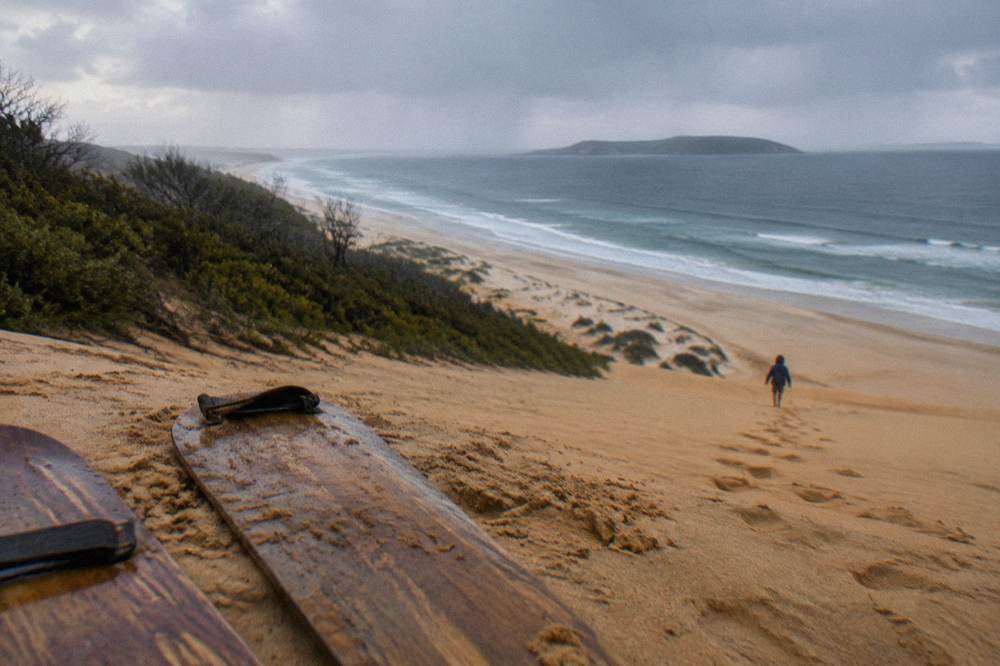
The dune products are unusually family-friendly in structure. Unlimited sandboarding means children can repeat the hill as many times as their legs allow rather than being metered by a session clock, and the sit-down boards every operator provides need no skill to enjoy. The cheapest listing, Sand Dune Safaris at $27.76, takes children 3 and under free, and its family of boards runs from beginner slopes to a steep challenge slope, so siblings of different confidence levels can share one session. The 4WD transfer itself, about 10 minutes each way to the boarding area, is part of the fun for many children.
The quad bike tour is where age becomes the filter: drivers must be 16 and over, so it suits families with teenagers rather than younger children. The tag-along passenger tour, a three hour small-group run for up to 14 travellers, is another teenager-pleaser, but note it is non-refundable, which matters when you are booking for a family four weeks out and school sport can intervene.
Port Macquarie's family case rests on gentler physics: koalas to look at, river water to paddle in, town beaches within walking distance of ice cream. For a family with children under about six, or one where a parent would rather not spend a day shaking sand out of shoes, that case is genuinely strong. For a family with children from about six to sixteen, the dune side of Port Stephens is the more reliable hit.
Which Is Better In Different Seasons?
Both towns are year-round destinations, but Port Stephens has the sharper seasonal calendar: whale watching runs May to November, school holidays crowd the dunes in spring and summer, and the shoulder months of March to May and September to November give the best balance of mild weather and thin crowds. The Worimi lands can close for poor weather or fire danger at any time of year, so always check alerts before you drive out.
The Bureau of Meteorology's Williamtown records, the station that covers the Port Stephens dunes, show mean maximums from 28.3 degrees in January down to 17.2 in July, with rainfall spread fairly evenly through the year and the wettest months in autumn. Summer on the dunes means hot sand and strong sun, so morning sessions are the comfortable pick. Winter means empty hills and cold sand, which some sandboarders prefer. The practical sweet spot is the shoulder: warm enough for the beach, quiet enough that the operators are not running at capacity.
The whale season is the big seasonal drawcard. Port Stephens tourism puts up to 40,000 humpbacks past the coastline each year, with the 2026 season running May to November: adults heading north from May to July, mothers returning south with newborn calves from September to November. Port Macquarie also watches whales from its headlands, but the sheltered Port Stephens bay gives its cruises calmer water to work with.
School holidays deserve a line of their own. The spring window of 28 September to 9 October 2026 and the summer stretch from 18 December 2026 to 27 January 2027 bring peak crowds to Anna Bay and Birubi Point, and operators extend their hours in those weeks. Book the dune products ahead in those windows, and expect the sandboarding hills to be busy but social. Outside them, the same sessions run with room to spare.
How Do You Decide Between The Two?
Decide on the primary activity, not the postcode: if the trip exists because of dunes, sand, dolphins or a Sydney-side weekend, choose Port Stephens; if it exists because of koalas, a river town or a longer coastal drive, choose Port Macquarie. A two-centre trip is also realistic, since both sit on the same north-coast corridor, though this site's verified research covers only the Port Stephens side in detail.
A simple test: picture the photo you want to bring home. If it is you or your family on a board halfway down a sand hill, or a quad on a dune crest, Port Stephens is the answer, and the product menu runs from a $27.76 sandboarding session to a $350.52 private full-day tour from Sydney. If it is a koala in a tree, a river cruise at sunset or a cafe strip you can walk, Port Macquarie is the answer, and no amount of dune enthusiasm should talk you out of it.
There is also the honest middle path: the two towns suit a coastal road trip in either direction, and travellers with a week can do both. The one caution is to plan the Port Stephens dune day with the same care you would give any booked activity: check the operator's live listing for session times, confirm the weather, and remember that the two tag-along 4WD tours are non-refundable while the sandboarding and quad listings carry free cancellation. The Port Stephens dune tour prices compared guide sets out every listing price side by side for exactly this kind of decision.
Whichever town wins your dates, the dune side of the argument is the one with the most moving parts, and this site, Port Stephens Sand Dune Tours, exists to make that side easy to book with confidence.
Common Questions About Port Macquarie Vs Port Stephens
Which Is Better, Port Macquarie or Port Stephens?
It depends on the trip. Port Stephens is better for sand dunes, sandboarding, quad biking, 4WD beach tours and dolphin cruises on a sheltered bay, and it is closer to Sydney at a 2.5 hour drive. Port Macquarie is better for koala encounters, Hastings River cruises and a compact, walkable river town.
Is Port Stephens worth the drive from Sydney?
Yes, for most travellers. At 2.5 hours it is close enough for a weekend, and the dune products alone, from $27.76 for unlimited sandboarding to a 4WD tag-along in your own vehicle, offer experiences with no Sydney equivalent. Four full-day tours from Sydney also run to the region if you would rather not drive.
Does Port Macquarie have sand dunes like Port Stephens?
No. The Stockton Bight dunes at Port Stephens are the largest moving coastal sand dunes in the southern hemisphere, and no comparable dune system or sandboarding product exists at Port Macquarie.
Which town is better for families with teenagers?
Port Stephens, usually. Teenagers can sandboard on every operator's hills, drive a quad bike from age 16, and ride a 4WD passenger tour over beach and dunes. Port Macquarie suits younger children or families whose priority is koalas and calmer water.
Can you swim at the beaches near the Port Stephens dunes?
Swim at the patrolled Birubi Beach, not the unpatrolled Worimi beach. NSW National Parks has a beach unsafe for swimming alert covering the Worimi stretch from 23 September 2026 to 28 April 2027 due to hazardous surf, so the flags at Birubi are the safe option.
Is one town cheaper than the other?
On the Port Stephens side, verified dune activity prices run from $27.76 per person for unlimited sandboarding to $94.00 for a three hour 4WD passenger tour, with the private Sydney day tour from $350.52. There is no comparable price set for Port Macquarie's attractions here, so check costs directly with each operator before booking.