What Is The Best Time To Go To The Sand Dunes In Port Stephens?
A month-by-month and hour-by-hour answer to the best time to visit the Stockton Bight sand dunes, using official weather records, operator hours and current park alerts.
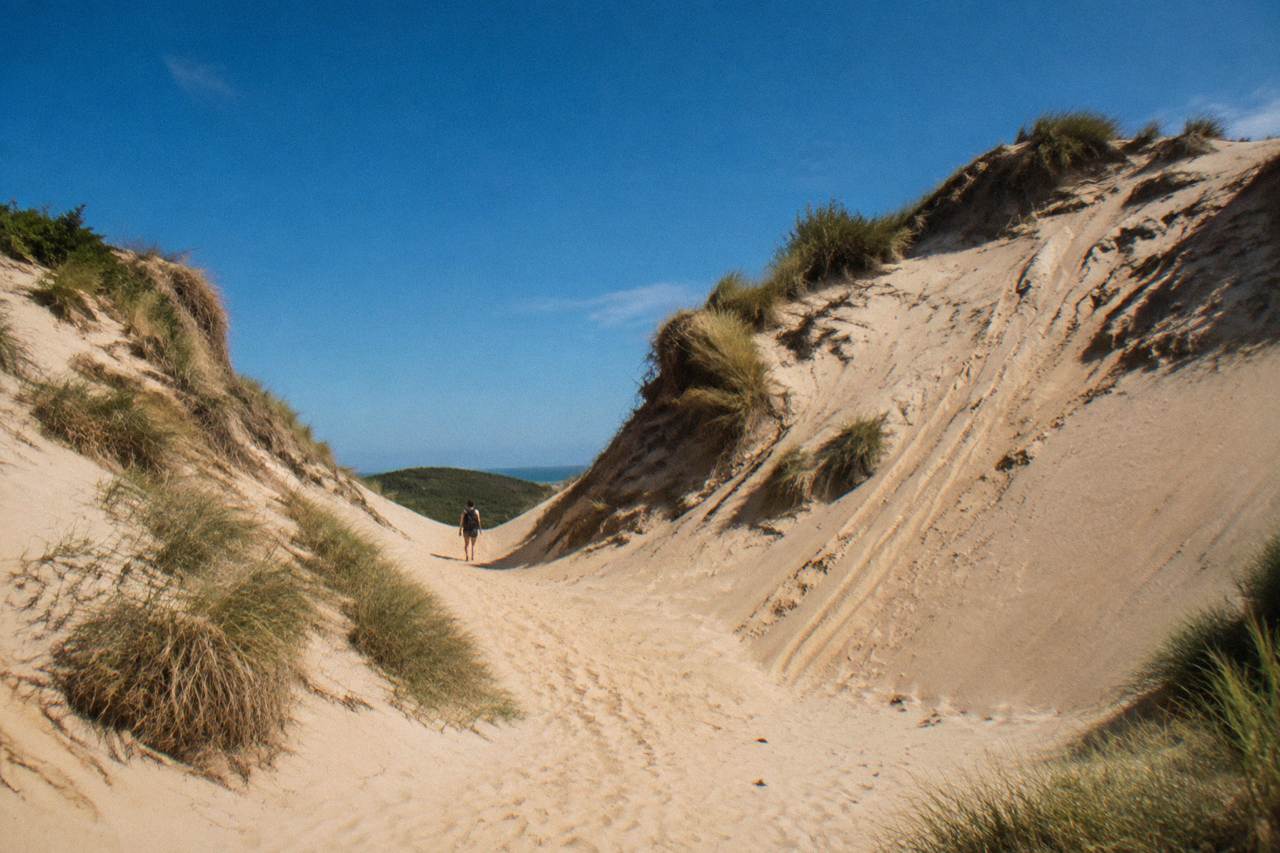
The sand dunes at Stockton Bight, on the northern edge of Port Stephens, are the largest moving coastal sand dunes in the southern hemisphere, and they behave differently in every season. Sand that is pleasant underfoot in May can burn through shoes in a February afternoon. A calm October morning can be a howling winter front by nightfall. The honest answer to timing this place well comes from three sources: the Bureau of Meteorology's long-run records from Williamtown, the operating hours the dune operators themselves publish, and the alerts NSW National Parks posts when fire danger, hazardous surf or wildlife disease change the rules on the ground. Those same dunes also raise a bigger question of scale, and our guide to which sand dune is the biggest in Australia explains why Stockton Bight's claim to the title is more complicated than it sounds.
This article works through all three. It names the months with the best balance of temperature, rainfall and daylight, the hours of the day that suit a board or a quad best, the conditions that close or degrade a visit, and the school holiday windows that reshape crowds at Anna Bay.
What Is The Best Time To Go To The Sand Dunes?
The best time to go to the sand dunes is autumn, March to May, or spring, September to November, in the mid-morning to early afternoon window outside NSW school holidays. Williamtown's records show mean maximums of 23.8 to 26.4 degrees in autumn and 21.6 to 25.7 in spring, with spring the driest stretch of the year, and operators run their full schedules through both seasons.
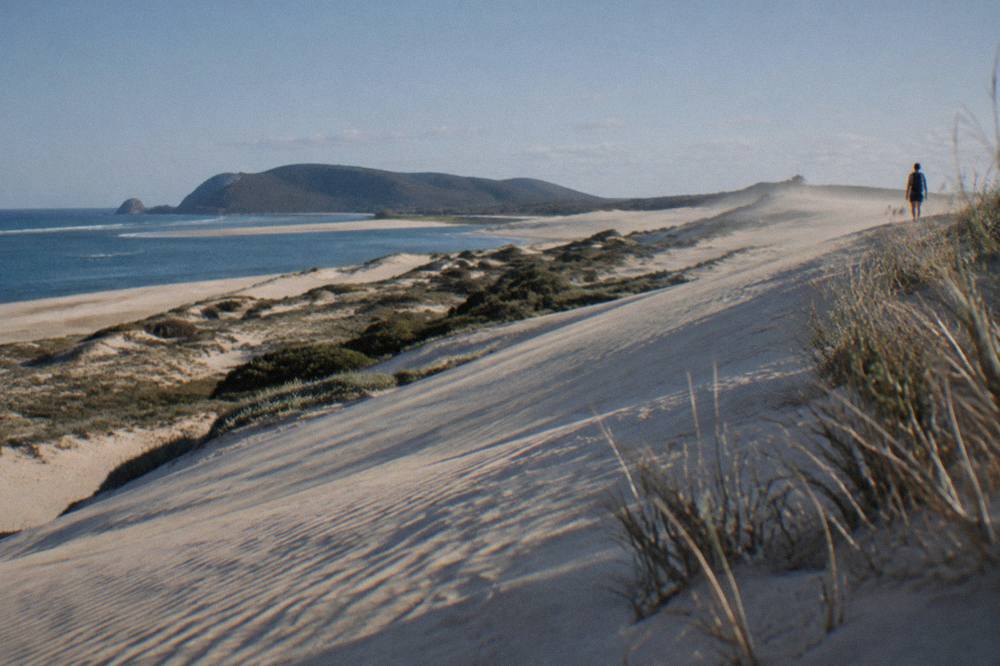
That answer is built from averages, and averages hide the real texture of the place. Summer at Port Stephens is genuinely hot: January's mean maximum at Williamtown is 28.3 degrees and the sand on the dune faces gets far hotter than the air, hot enough that barefoot sandboarding becomes uncomfortable within a couple of hours. Winter is not cold by southern standards, 17.2 degrees mean maximum in July, but the wind off the ocean is cutting and the days are short, which matters when the last transfers back from the dunes leave mid-afternoon. Before you lock in a season, it helps to know that most dune tours actually depart from Anna Bay, and the guide to Anna Bay's dunes, Birubi Point and camel rides covers everything the town offers beyond the sand.
Autumn and spring sit in the sweet spot between those extremes. They also fall either side of the peak whale watching season, May to November, which runs on Port Stephens tourism's own season window, so a dune morning can pair with an afternoon whale cruise from Nelson Bay in the same day. The shoulder months carry one more advantage: the dune operators are fully staffed and running regular sessions, but the Anna Bay car parks are not yet jammed with holiday traffic. And if the weather turns on your shoulder-season visit, our guide to dune tours and indoor options for wet days in Port Stephens covers which operators still run in the rain.
The one planning note that outranks the season: the Worimi Conservation Lands are always open in principle, but NSW National Parks states plainly that they may close at times due to poor weather or fire danger. A perfect forecast month can still lose a day to a fire danger rating or a storm. Check the park's local alerts page the day before you go, whatever the calendar says.
If you are weighing which session to book once you have picked your window, the three listings below cover the main ways to get onto the sand: an unlimited sandboarding session, a quad bike tour, and a combined 4WD beach and boarding run.
Which Months Have The Best Weather On Stockton Bight?
March, April, May, October and November are the best months for weather on the Stockton Bight dunes. Their mean maximum temperatures run from 23.8 to 26.4 degrees, rainfall averages 60 to 127 mm per month, and September and October are the two driest months of the year at 60.1 and 75.1 mm, with the fewest rain days in early spring.
The Williamtown weather station, which has recorded continuously since 1942, gives the most reliable picture of what the dunes feel like month to month. The table below sets out the three numbers that matter most for a dune visit: the mean daily maximum, the mean monthly rainfall, and the average number of rain days.
| Month | Mean max (C) | Mean min (C) | Mean rainfall (mm) | Rain days |
|---|---|---|---|---|
| January | 28.3 | 18.2 | 100.2 | 7.2 |
| February | 27.7 | 18.2 | 117.6 | 7.5 |
| March | 26.4 | 16.5 | 127.2 | 8.5 |
| April | 23.8 | 13.3 | 111.6 | 7.6 |
| May | 20.4 | 10.1 | 115.8 | 7.9 |
| June | 17.7 | 8.0 | 121.4 | 8.2 |
| July | 17.2 | 6.5 | 76.4 | 6.6 |
| August | 18.8 | 7.0 | 73.8 | 6.2 |
| September | 21.6 | 9.2 | 60.1 | 5.7 |
| October | 23.9 | 12.1 | 75.1 | 7.3 |
| November | 25.7 | 14.5 | 81.8 | 7.2 |
| December | 27.5 | 16.7 | 75.5 | 7.0 |
Read the table as a set of trade-offs rather than a ranking. Summer, December to February, delivers the hottest days and the most daylight, which suits visitors who want a long session and do not mind heat. But January and February also sit inside the wetter stretch of the year, and summer storms on exposed sand are not a minor matter. Winter, June to August, is drier than most people expect, and July's 76.4 mm is less than March's, but the 6.5 degree overnight minimum means early mornings on the dunes start genuinely cold.
Spring deserves its reputation here. September has the lowest rainfall total of any month, 60.1 mm, and the fewest rain days, 5.7, while the mean maximum climbs to a comfortable 21.6 degrees. October and November warm steadily toward summer without reaching it. Autumn works in reverse: March is actually the wettest month on the record at 127.2 mm, so within the autumn window, April and May are the safer picks, trading a little warmth for clearer skies.
One more consideration sits outside the climate table entirely. Hot sand is the summer problem nobody's average captures: the air can read 28 degrees while the sand surface is far hotter, which is why operators recommend closed shoes for the walk up and why the sit-down boards get heavy use in the middle of the day. In spring and autumn the sand stays pleasant for most of the day, which is a quiet reason the shoulder seasons dominate local recommendations.
Decided on a month but not a session? The unlimited sandboarding listing below is the featured option on this site, and it is worth checking its live times against your travel dates before you lock in a day.
What Time Of Day Should You Ride The Dunes?
Mid-morning to early afternoon, roughly 10:00am to 2:00pm, is the best time of day on the dunes: the sand has warmed enough to be comfortable, the wind is usually lighter than late afternoon, and every operator is running. The last dune transfers leave between 3:30pm and 5:00pm depending on the operator, so late sessions carry a hard cutoff.
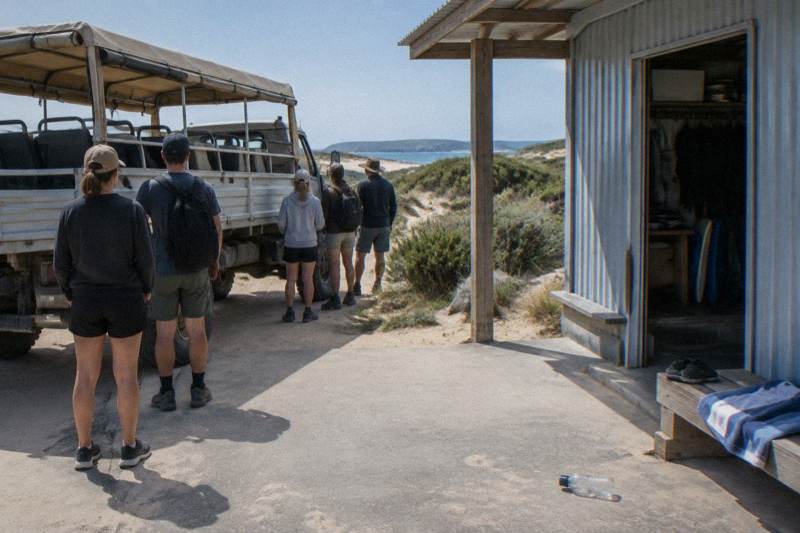
The operator hours define the edges of the day. Sand Dune Safaris opens at 9:30am, runs its last shuttle to the dunes at 3:30pm and its last return at 5:00pm, with extended hours in school holidays and on long weekends, though the operator notes hours vary with weather. Port Stephens 4WD Tours caps its final 3:30pm departure session at about an hour of sandboarding time and recommends arriving earlier for full unlimited access. The quad tours with Sand Dune Adventures run an hourly pattern through the day from their base at the Murrook Culture Centre. Once you've settled on a time, our guide to the different ways of getting onto the dunes explains how to reach the Stockton Bight on foot, by beach drive, or with a tour.
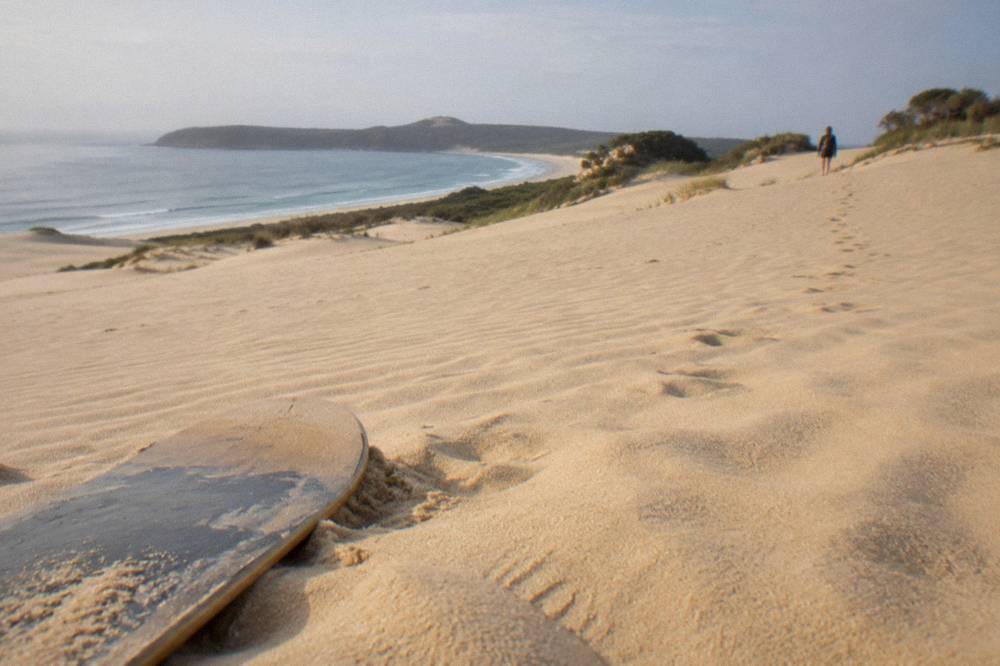
The practical shape of a session explains why the middle of the day wins. A typical sandboarding visit starts with a 10 minute 4WD transfer out to the boarding area, then one to two hours on the hill, then the transfer back. Arrive mid-morning and you get the full arc: warm sand, a relaxed climb, unlimited runs while your legs are fresh, and no clock pressure on the last shuttle. Arrive for the 3:30pm session and you are riding a shortened window by the operator's own design.
Temperature argues for the same window from the other side. Williamtown's mean minimums run from 6.5 degrees in July to 18.2 in January, so a 9:00am start in winter means cold sand and stiff fingers for the first half hour. By 10:30am the surface has warmed toward the day's maximum. In summer the calculation flips: the earlier part of the morning, before the sand heats, is the comfortable slot, and the middle of the day is when hydration and shade matter most.
Wind is the wildcard. The dunes sit on an exposed coastal front, and afternoon sea breezes strengthen through the day, which is fine for sandboarding but fatiguing for the climb back up. Riders who want the calmest conditions generally do better before the breeze settles in, which is one reason the morning sessions book out first in holiday periods. There is no official wind threshold for the dunes, but operators adapt sessions to conditions, and the park itself can close for poor weather, so a very windy forecast is a signal to shift your day rather than push through it.
When Are The Dunes Closed Or Unsafe?
The Worimi Conservation Lands have no seasonal closure, but NSW National Parks states they may close at times due to poor weather or fire danger, and two alerts are active for the current stretch: a beach unsafe for swimming advisory from 23 September 2026 to 28 April 2027, and an H5 bird flu alert from about 29 September 2026 asking visitors to avoid sick or dead wild birds.
The closure question is the one most guides gloss over, so it deserves precision. The park is, in the park service's own wording, always open but may have to close at times due to poor weather or fire danger. There is no published calendar of closures because there cannot be one: a fire danger rating or a storm can shut the lands overnight, and the alerts page is the only authoritative source. Check it on the morning of your visit, not the week before. The rest of the planning pages sit on Port Stephens Sand Dune Tours.
The swimming alert deserves its own sentence because it changes how people plan a dune day. The beach within the park is unpatrolled and swimming is not advised at the best of times; the current hazardous surf advisory, running from late September 2026 to late April 2027, makes that explicit. Visitors who want a swim on the same day should use Birubi Beach, which is the patrolled option at Anna Bay, with patrols running through the warmer months, and always swim between the flags.
Fire danger is the seasonal risk with real structure to it. The warmer months, October through March, carry the highest fire danger ratings in this part of NSW, and a total fire ban day can close the lands outright. This is a second, less obvious argument for the shoulder seasons: autumn and early spring sit outside the peak fire danger window, so the odds of a weather or fire closure are at their lowest just when the temperatures are at their most pleasant.
The bird flu alert is the most recent notice and the easiest to comply with. It asks visitors to avoid contact with sick or dead wild birds and to report sightings. For a dune visit this is a minor adjustment: keep distance from any bird behaving oddly on the beach or the sand, and do not let children or dogs investigate. Gan Gan is the only vehicle entry where dogs may travel in vehicles, and keeping them away from wildlife is part of the same rule.
None of these alerts touch the tours themselves. Licensed operators hold a Parks Eco Pass, their tour prices include the park entry fee, and they run rain, hail or shine where conditions allow, adapting routes when the dunes or the beachfront degrade. The honest framing is this: the dunes are open almost every day of the year, the alerts are narrow and specific, and the only planning habit they demand is a sixty-second check of the alerts page before you leave accommodation.
How Do School Holidays Change A Dune Visit?
NSW school holidays crowd the dunes significantly: spring holidays run 28 September to 9 October 2026 and summer holidays run 18 December 2026 to 27 January 2027, and in these windows Anna Bay car parks fill early, sessions book out, and operators extend their hours to cope. Visit mid-week outside those windows if you want the dunes quiet.
The holiday calendar is the single biggest driver of crowding at the Anna Bay end of the dunes, bigger than any weather pattern. The NSW government publishes the term dates, and the two windows that matter most for a dune trip are the spring break, 28 September to 9 October 2026, and the long summer break, 18 December 2026 to 27 January 2027. Both put families on the sand in numbers that change the experience: longer queues for the 4WD transfers, busier boarding slopes, and car parks at Birubi Point and Gan Gan Road that fill well before mid-morning.
Operators respond by extending hours. Sand Dune Safaris runs longer days in school holidays and on long weekends, and the camel rides at Oakfield Ranch, which operate six days a week and close on Wednesdays through the normal term, run every day during school and public holidays. So the holiday trade-off is real but not one-sided: you get more session times and more frequent departures, and you pay for them with crowds.
For visitors who cannot avoid the holiday windows, three habits make the day work. Book the tour before you drive, since the popular sessions sell first. Arrive early, before 10:00am, when the car parks still have space and the sand has not yet heated up. And go mid-week if you can: the weekends inside a holiday fortnight are the busiest days the dunes see all year.
Outside the holidays, the dunes are remarkably quiet for a destination of this scale. A weekday in May or August can feel close to private, with a handful of riders spread across a slope system that runs for kilometres along the Stockton Bight front. If quiet is the priority rather than warmth, the winter months, with their mild 17 to 19 degree mean maximums and low rain day counts, are an underrated pick. Our guide to free and low-cost dune activities covers the no-cost ways onto the sand, including walking access, which is free and needs no permit.
Which Season Suits Which Tour?
Match the season to the activity: sandboarding suits autumn and spring best, quad bike tours work across most of the year with daylight-only riding, and full-day Sydney trips suit the whale season, May to November, when the dune segment pairs with a dolphin or whale cruise. Summer visits should shift to morning sessions because of hot sand.
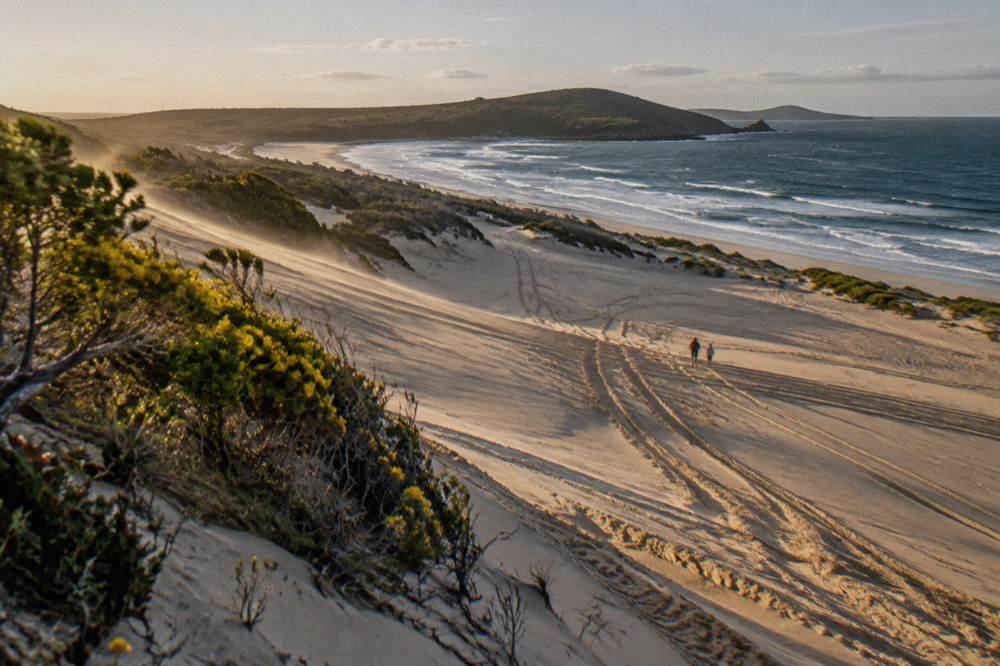
The dune activities are not equally seasonal, and the differences are worth planning around. The table below pairs each main activity with its best conditions and its timing constraints, drawn from the operator listings and the official rules for the lands.
| Activity | Best season | Best time of day | Timing constraint |
|---|---|---|---|
| Sandboarding | Autumn and spring | 10:00am to 2:00pm | Last transfers 3:30pm to 5:00pm depending on operator |
| Quad bike tour | Most of the year | Daylight hours | Daylight-only riding on the lands; transfers Saturdays only |
| 4WD beach and dune tour | Autumn and spring | Morning | Beachfront driving avoids the hour around high tide |
| Day trip from Sydney | Whale season, May to November | Departs Sydney around 7:00am | About 12 hours door to door |
| Camel day ride (walk-in only) | Cooler months for comfort | 10:00am to 3:30pm, every half hour | Closed Wednesdays outside holidays |
Sandboarding is the most flexible of the lot. The boards, the 4WD transfer and on-site instruction are included in every session, and the hill suits all ages, with children 3 and under free on the Sand Dune Safaris listing. The only real seasonal trap is hot sand in summer, which argues for a morning session, and cold mornings in winter, which argue for a late start. The Unlimited Sandboarding Experience with 4WD Tours R Us, rated 4.5 from 574 reviews and priced from $29.84 USD per person with free cancellation, is the most-booked version on this site, and its Gan Gan Road base puts you at the dune gateway.
Quad biking is the activity most shaped by rules rather than weather. Quads on the Worimi lands must hold conditional registration and ride in daylight only, helmets mandatory, and the listed tour with Sand Dune Adventures, an Aboriginal-owned operator, is for drivers 16 and over, runs one hour, and offers transfers on Saturdays only, with self-drive to the Murrook Culture Centre on weekdays and Sundays. From $82.57 USD per person with free cancellation, it sits in the middle of the dune price range and works in any season the park is open.
The full-day trips from Sydney add a different timing layer: they are long days, about 12 hours, departing Sydney Central around 7:00am, so the season question is less about the dunes and more about what pairs with them. The whale season, May to November, is when a dune morning and a cruise afternoon stack best, and humpbacks with calves were still being reported off Port Stephens in late September and early October 2026. The Port Stephens day trip guide breaks down the Sydney options in full.
One pairing note for the shoulder seasons: the camel day rides at Oakfield Ranch are walk-in only, with no bookings taken, roughly every half hour from 10:00am to a 3:30pm last departure, closed Wednesdays outside school and public holidays. In the cooler months the queue is short and the ride comfortable; in summer heat, the earlier departures are the ones that suit the animals and the riders alike. Our camel rides guide has the full details, including the sunset ride format that does take bookings.
A Simple Decision Rule For Timing
Pick a month first, then a day, then an hour: autumn or spring for the month, any day the alerts page is clear and the forecast is calm for the day, and 10:00am to 2:00pm for the hour, booked before you leave home if the visit falls inside a school holiday window.
Compressed to one sentence, that is the whole timing question answered. But the reasons matter, because they let you adapt when reality does not cooperate. If you are locked into a summer visit, go early, drink more water than feels necessary, and treat the middle of the day as your rest window. If you are locked into winter, start late, layer up, and use the low rain day counts: June through August averages 6.2 to 8.2 rain days a month, no worse than summer. If your dates land inside the school holidays, book ahead and arrive before the car parks fill, or shift to a weekday.
The alerts are the one input you cannot schedule around, only check. The Worimi Conservation Lands are Worimi-owned and co-managed with NSW National Parks, and the partnership keeps the lands open almost continuously, but a fire danger day or a storm closes them without ceremony. The sixty-second alerts check on the morning of your visit is the cheapest insurance a dune day can buy.
For a final comparison of every way onto the sand, prices side by side, the dune tour price comparison covers every listing, and the three listings below are the ones this article's timing advice applies to most directly.
Whichever session you settle on, the timing principles do not change: shoulder season if you have the choice, mid-morning if you have the flexibility, and a live check of the park alerts if you want the day to survive contact with an Australian coastal forecast.
Common Questions About The Best Time For The Port Stephens Sand Dunes
What Is the Best Time to Go to the Sand Dunes?
Autumn, March to May, or spring, September to November, in the mid-morning to early afternoon outside NSW school holidays. Williamtown's records show mean maximums of 23.8 to 26.4 degrees in autumn and 21.6 to 25.7 in spring, with September the driest month of the year at 60.1 mm, and operators run their fullest schedules through both seasons.
Are the dunes open all year round?
The Worimi Conservation Lands are always open in principle, but NSW National Parks states they may close at times due to poor weather or fire danger. There is no seasonal closure, and licensed tours run in every month, but check the park's local alerts page on the day of your visit.
What time of day is best for sandboarding?
Between 10:00am and 2:00pm. The sand has warmed past the morning chill, the wind is usually lighter than late afternoon, and every operator is running. The last dune transfers leave between 3:30pm and 5:00pm depending on the operator, and the final 3:30pm session at Port Stephens 4WD Tours is capped at about an hour.
Is the sand too hot in summer?
It can be. January's mean maximum at Williamtown is 28.3 degrees, and the sand surface gets far hotter than the air, enough to make barefoot walking and midday boarding uncomfortable. Book a morning session in summer, wear closed shoes for the climb, and treat the middle of the day as a rest window.
Do school holidays matter for the dunes?
Yes. NSW spring holidays run 28 September to 9 October 2026 and summer holidays run 18 December 2026 to 27 January 2027. In these windows the Anna Bay car parks fill early, popular sessions book out, and operators extend their hours. Book ahead, arrive before 10:00am, or visit mid-week.
Can you swim at the dune beach?
No. The beach within the park is unpatrolled and swimming is not advised, and a beach unsafe for swimming alert runs from 23 September 2026 to 28 April 2027. Birubi Beach at Anna Bay is the patrolled alternative, with patrols through the warmer months, always between the flags.