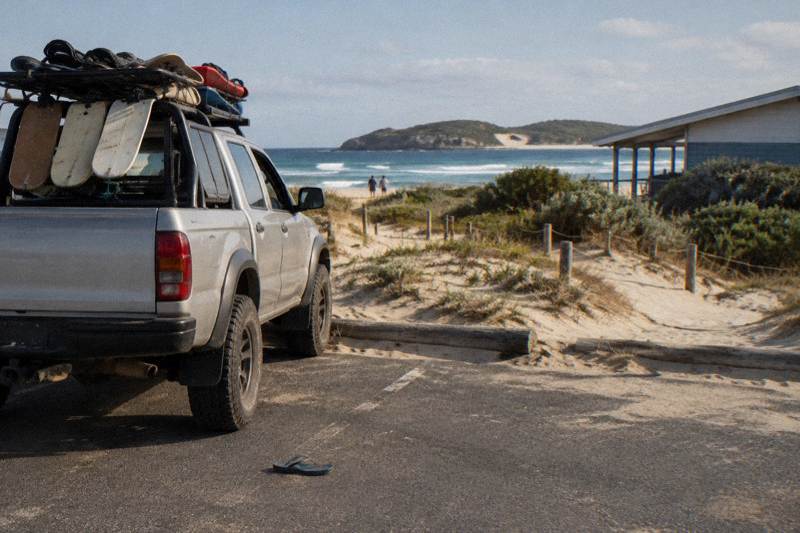
Stockton Sand Dunes: How To Visit The Largest Moving Coastal Dunes In The Southern Hemisphere
The Stockton sand dunes stretch for 32 kilometres along Stockton Bight at Port Stephens, the largest moving coastal sand dunes in the southern hemisphere. Here is what they are, who looks after them, and the three honest ways a visitor actually gets onto the sand.
Short answer
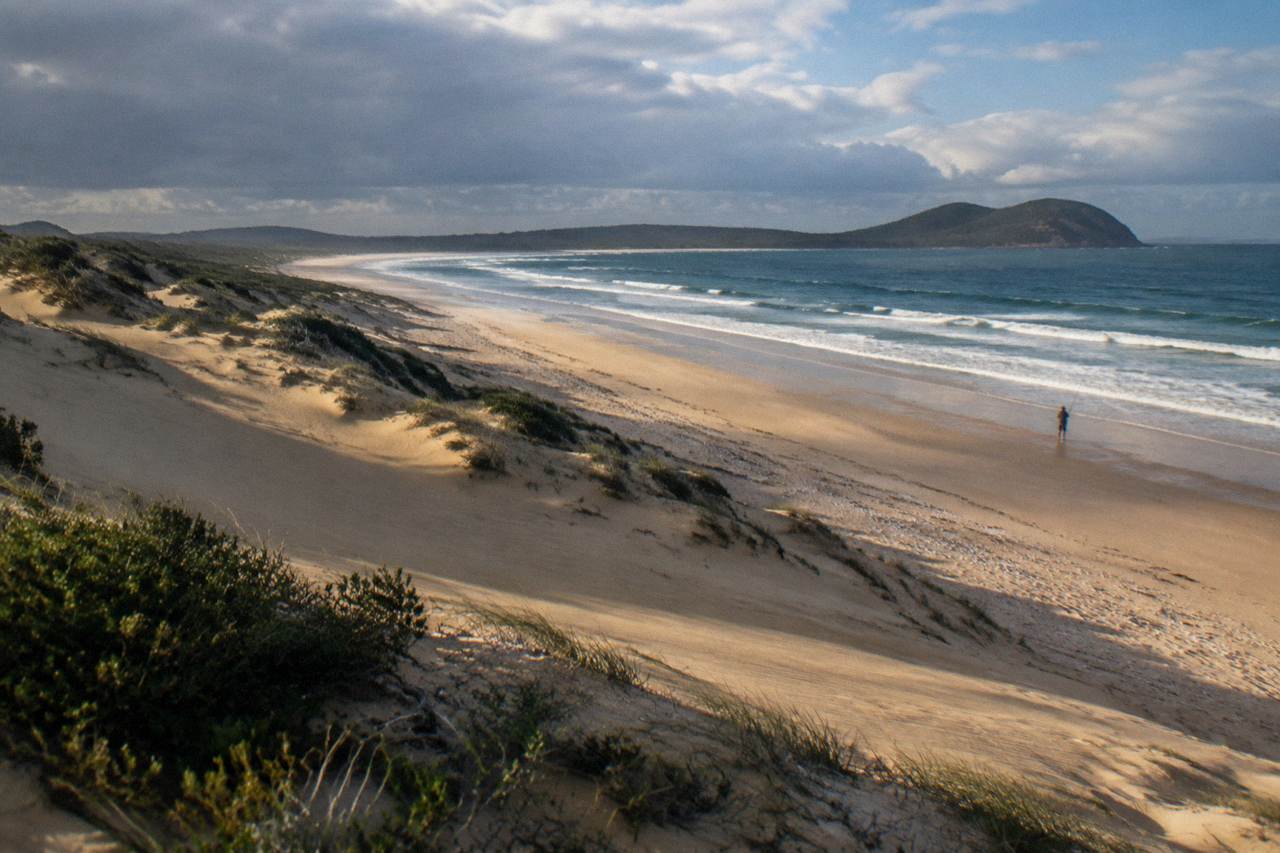
The Stockton sand dunes are the moving sand mass of Stockton Bight, 32 kilometres long and owned by the Worimi Aboriginal community, co-managed with NSW National Parks. You get onto them three ways: a guided tour from about $27.76 per person, a 4WD beach vehicle permit from A$33, or walking in free from Birubi Point or Gan Gan Road.
The Stockton sand dunes begin at Birubi Point, Anna Bay, and run 32 kilometres south along Stockton Bight toward Newcastle. NSW National Parks describes them as the largest moving coastal sand dunes in the southern hemisphere, a sand mass whose formation began well over 100,000 years ago. They are not a theme park and not a free-for-all beach either: the dunes sit inside the Worimi Conservation Lands, country owned by the Worimi Aboriginal community and co-managed with NSW National Parks, with rules that decide where you can walk, drive and slide.
This guide covers the four questions visitors actually ask. What are these dunes and why do people call them the biggest? Who owns them and what does that mean for your visit? How do you physically get onto the sand, whether by guided tour, by driving on with a permit, or on foot for free? And which of the bookable dune tours fits which kind of traveller?
What Are The Stockton Sand Dunes?
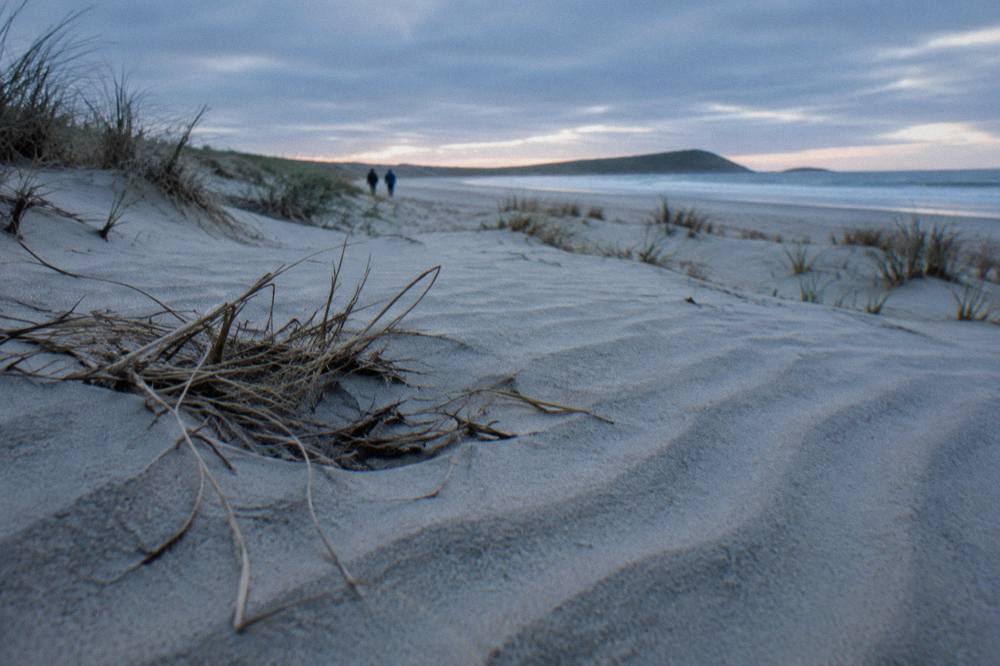
The Stockton sand dunes are the mobile sand mass of Stockton Bight at Port Stephens, running 32 kilometres along the coast, which NSW National Parks calls the largest moving coastal sand dunes in the southern hemisphere. The sand began forming well over 100,000 years ago, and the dunes still shift with wind today, which is why no single fixed "biggest dune" exists or is ever quoted.
Stockton Beach itself is the longest beach in New South Wales at 32 kilometres, and the dune field behind it is what gives the area its reputation. Behind the frontal dune, more than 1,800 hectares of forest sit on older, stable sand, and the lands hold middens, campsites and burials of deep Aboriginal cultural significance. That cultural layer is the reason the driving and riding rules are as strict as they are, and it is worth understanding before you plan any visit.
Two claims you will meet online deserve caution. First, dune height: sources disagree wildly and no official figure exists, so this guide prints none. Second, the "always open" line: the Worimi Conservation Lands are indeed open around the clock in principle, but the official park page states plainly that they may close at times due to poor weather or fire danger. Check the official Worimi National Park page and its alerts before you drive out.
For most visitors the dunes are experienced in one of three ways: sliding down them on a board, riding across them in a 4WD or on a quad bike, or walking up from Birubi Point for the view. Each has a different cost and a different set of rules, and the rest of this guide works through them one at a time.
Who Owns And Manages The Dunes?
The Stockton sand dunes sit inside the Worimi Conservation Lands, which are owned by the local Worimi Aboriginal community and co-managed in partnership with NSW National Parks. That ownership shapes everything about a visit: where vehicles may go, why the frontal dune is protected, and why licensed tour operators, not ad hoc operators, run the commercial activities on the sand.
The Worimi Conservation Lands bring together Worimi National Park, Worimi State Conservation Area and Worimi Regional Park. The community's ownership is not a footnote to the visit; it is the reason the Recreational Vehicle Area is confined to one southern section, the reason driving is waterfront-only between Gan Gan and Lavis Lane, and the reason the frontal dune and its vegetation are off limits to vehicles entirely. Past illegal driving eroded the frontal dune badly enough that the park has closed sections in earlier years, and the current rules exist to prevent a repeat.
The cultural sites are protected rather than displayed. Visitors are asked not to disturb shell middens or exposed artefacts, and commercial operators working on the lands hold a Parks Eco Pass, the licensing system NSW National Parks uses for tour businesses operating in parks. Every sandboarding, quad bike and camel operator named on this site holds one, and a guided tour price includes the park entry fee, so booking a licensed tour is the simplest way to visit the dunes correctly. Our Worimi Conservation Lands guide goes deeper into the joint management story if that interests you.
This is also why self-driving on the dunes themselves is restricted to a single designated area, while a licensed tour can take you much further into the sand mass. An operator with a Parks Eco Pass operates under conditions negotiated with the Worimi community and NPWS. A private vehicle operates under the beach driving rules and nothing more.
How Do You Actually Get Onto The Stockton Sand Dunes?
There are three practical routes onto the dunes: book a guided tour (sandboarding from $27.76, quad biking from $82.57, 4WD touring from $39.55 per person), drive on yourself with a Worimi beach vehicle permit (from A$33 for three days, online only), or walk in free from Birubi Point or Gan Gan Road. Walking is free but keeps you near the edges; the deep dunes belong to tours and permit holders.
For most first-time visitors a guided tour is the right answer, and not only because it is simpler. The tour operators hold the licences that let them drive and slide in areas a private permit does not cover, their prices include park entry, and the sandboarding sessions include the 4WD transfer out to the dunes, the board hire and on-site instruction, so there is nothing to organise at the car park. The featured option on this site is the Birubi Beach 4WD tour with sandboarding, a 75 minute trip rated 4.8 from 127 reviews, from $39.55 per person with free cancellation, which suits visitors who want the dune experience without committing half a day.
The second route is self-driving, which suits visitors with their own 4WD and a bit of beach driving experience. It is genuinely affordable, the permit costs A$33 for three days, but the rules are strict and the fine risk is real: rangers patrol, and driving over the frontal dune or without a valid permit breaches the permit conditions. Section five below covers the entries, the permit system and the tide timing in full, because that topic deserves its own space.
The third route costs nothing. Walkers, cyclists and horse riders enter the Worimi Conservation Lands free, no permit of any kind, and the walk from Birubi Point up onto the dune edge is short enough for small children. The trade-off is reach: on foot you experience the dune face and the view, not the deep sand mass. Our Birubi Point and Birubi Beach guide maps that walk and the parking around it.
The three routes compare like this before you commit to anything:
| Route | What it costs | What you need | What you get |
|---|---|---|---|
| Guided tour | From $27.76 per person (sandboarding) | A booking, no gear | Transfer, boards or bike, instruction, park entry included |
| Self-drive 4WD | A$33 for a 3-day permit | Your own 4WD, permit bought online | More than 19 km of waterfront driving, RVA dunes at Lavis Lane |
| Walk in | Free | Nothing but water and sunscreen | The dune edge and views at Birubi Point or Gan Gan |
One decision rule cuts through the choice quickly. If you want to slide down sand, book sandboarding. If you want to drive your own vehicle on a beach, buy the permit and stay on the waterfront. If you want to see the dunes and take photos with minimal planning, walk in from Birubi Point, or take the 75 minute 4WD tour that does the driving for you. Check availability on the live listing for whichever tour fits, because session times, especially the afternoon slots, fill on weekends and school holidays.
Sandboarding On The Dunes: Which Operator Fits You?
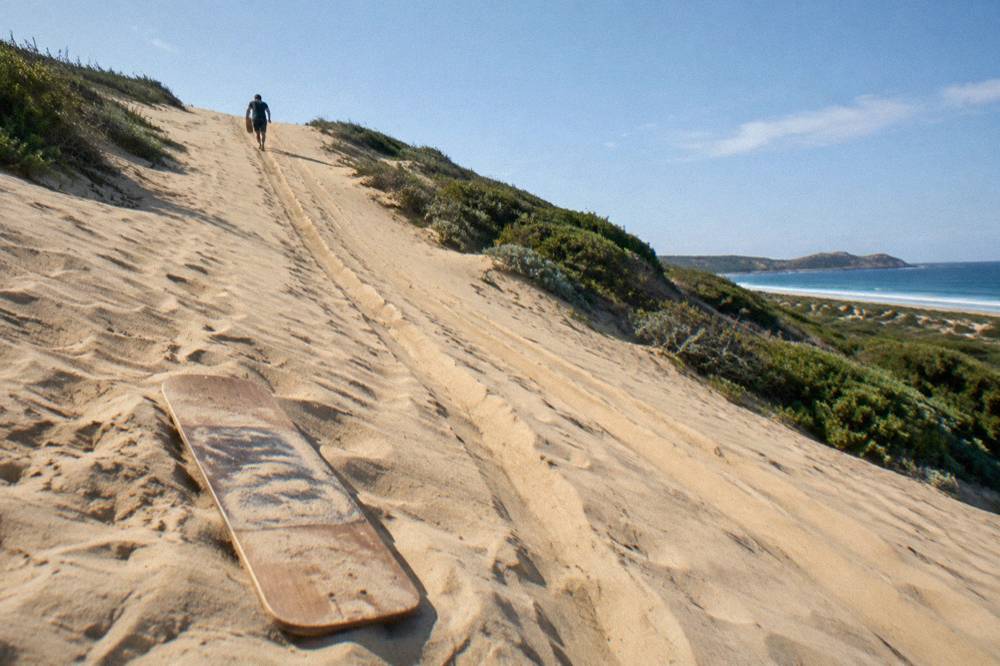
Three licensed operators run sandboarding on the Stockton dunes, with listings from $27.76 to $31.80 per person and sessions of roughly 1 to 2 hours including the 4WD transfer and board hire. Sand Dune Safaris is the only operator offering both sit-down and stand-up boards, while the Port Stephens 4WD Tours sessions are sit-down only, so the board style, not just the price, should drive your choice. Once you've picked your operator and board style, check our month-by-month guide to the best dune visiting conditions to pick the right day for your session.
The cheapest listing on this site is Sand Dune Safaris' unlimited sandboarding with 4WD dune transfer, from $27.76 per person, rated 4.7 from 212 reviews, meeting at the Anna Bay Lower Car Park, with children 3 and under free. A 10 minute 4WD transfer each way is typical, then unlimited time on the hill within the session window, and the operator says it is the only company in Port Stephens offering both sit-down sandboarding and stand-up sand surfing, including tandem options, on slopes from beginner to a steep challenge run. If standing up on a board is the whole point of the trip for you, this is your listing.
The most reviewed sandboarding listing is 4WD Tours R Us' unlimited sandboarding experience, 4.5 from 574 reviews, from $29.84 per person, meeting at 80 Gan Gan Road. NSW National Parks lists this operator as a licensed Worimi tour, and the business has been family-owned since February 2015. Sessions typically run 1 to 1.5 hours of sandboarding with unlimited time inside the window, boards and instruction included.
The third option is Port Stephens 4WD Tours' unlimited sandboarding adventure, 4.4 from 139 reviews, from $31.80 per person, meeting at the Anna Bay Lower Car Park. Two details matter here: the listing is sit-down only, no stand-up boarding, and the operator's own page notes that the last 3:30pm session is capped near an hour, so an earlier arrival buys more time on the hill. The same operator also runs the Birubi Beach 4WD tour with sandboarding, the featured tour above, which pairs a coastal drive with a slide and suits visitors who want both in 75 minutes.
Here is how the three sandboarding listings compare on the numbers that matter:
| Listing | Operator | From (USD) | Rating | Session | Board styles |
|---|---|---|---|---|---|
| Unlimited sandboarding with 4WD transfer | Sand Dune Safaris | $27.76 | 4.7 from 212 reviews | 1 to 2 hours, unlimited | Sit-down and stand-up |
| Unlimited sandboarding experience | 4WD Tours R Us | $29.84 | 4.5 from 574 reviews | 1 to 1.5 hours, unlimited | Boards and instruction provided |
| Unlimited sandboarding adventure | Port Stephens 4WD Tours | $31.80 | 4.4 from 139 reviews | 1 to 2 hours | Sit-down only |
All three meet in Anna Bay, none offers hotel pickup, and all three allow free cancellation, so the practical differences come down to board style, meeting point and price. If you are deciding between sandboarding and a full 4WD tour, the sandboarding guide on this site breaks the formats down further.
Driving Onto The Dunes: Permits, Entries And Rules
Driving onto the Stockton dunes requires a Worimi beach vehicle permit, bought online only since 3 March 2026, costing A$33 for three days or A$88 for a year, with vehicles entering at Gan Gan, Lavis Lane or Fern Bay. Driving is waterfront-only between Gan Gan and Lavis Lane, the frontal dune is off limits, and independent dune driving is confined to the 350 hectare Recreational Vehicle Area at Lavis Lane.
The permit change is the one genuine recent shift in how the dunes work. The Worimi Conservation Lands Board announced that from 3 March 2026 permits are available online only, through the official permit site, with prices, permit types and conditions unchanged: 3-day A$33, annual A$88, annual pensioner A$44, and the annual Recreational Vehicle Area permit at A$88 for conditionally registered quads and motorbikes. Paper permits bought before the change remain valid until expiry. NSW National Park annual passes are not valid here, a point the park pages repeat because visitors keep trying them. The wider set of guides lives on Port Stephens Sand Dune Tours.
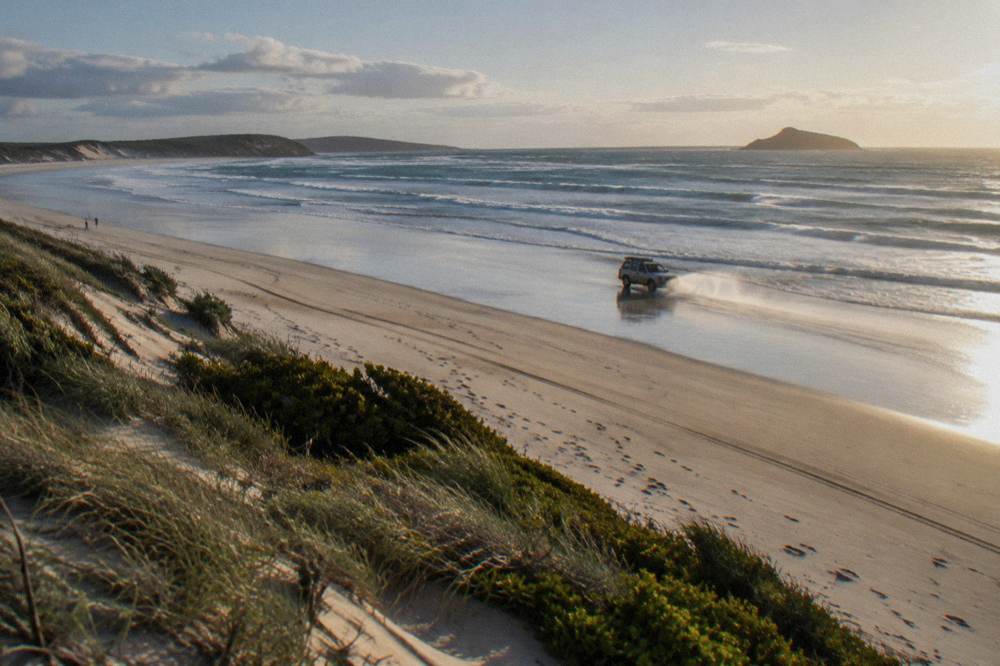
The three entries each suit a different visitor. Gan Gan Road at Anna Bay is the main 4WD entry and the only one where dogs may travel in vehicles, but it does not admit conditionally registered quads or motorbikes. Lavis Lane at Williamtown is the only entry for those recreational vehicles and the gateway to the Recreational Vehicle Area, 350 hectares of dune driving at the southern end of the park. Fern Bay is a one-way, experienced-drivers-only entry with no trailers or quads. The official beach driving page carries the full conditions and the permit purchase link.
| Entry | Location | Who it suits | Restrictions |
|---|---|---|---|
| Gan Gan | Anna Bay | Standard 4WDs, dogs allowed in vehicles | No conditionally registered quads or motorbikes |
| Lavis Lane | Williamtown | Quads and motorbikes with conditional registration, RVA access | The only RVA entry, daylight riding only |
| Fern Bay | Fern Bay | Experienced drivers only | One-way, no trailers, no quads |
Two rules protect you as much as the park. First, drive only the waterfront between Gan Gan and Lavis Lane, more than 19 kilometres of beachfront, and never divert onto or behind the frontal dune, where cultural sites sit and where past driving caused the erosion that closed sections in earlier years. Second, time the tide: the official advice is to avoid the beachfront one hour either side of high tide, because pinch points become impassable and conditions degrade quickly. The beach speed limit is 40 km/h, dropping to 20 km/h within 100 metres of people or vehicles.
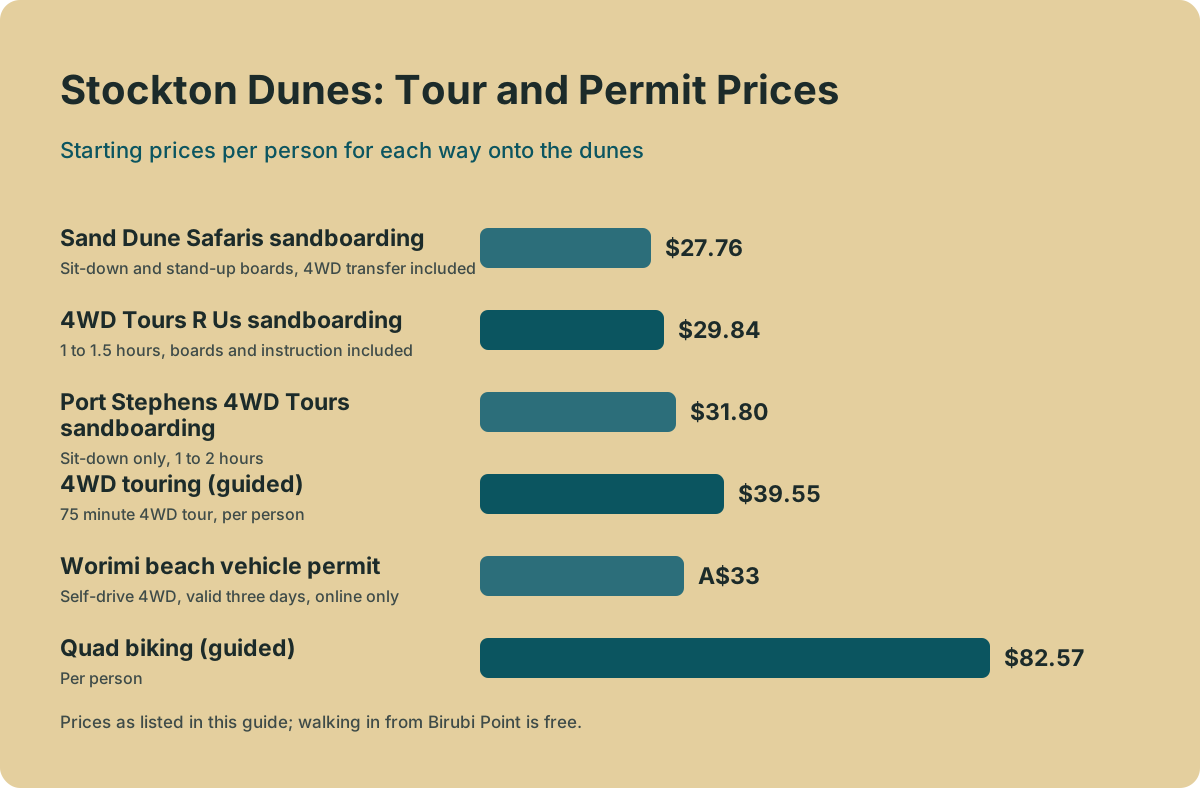
A note for anyone comparing self-driving with a tour: the 4WD tag-along listing on this site, where you follow a guide in your own 4WD, does not include the beach vehicle permit, and extra passengers pay an NPWS fee of $6.50 on departure. Budget the permit on top. Our 4WD tours guide covers the guided alternatives, including the passenger tours where someone else does the driving.
Quad Bikes And The Recreational Vehicle Area
Quad biking on the Stockton dunes is run by Sand Dune Adventures, an Aboriginal-owned operator whose 1 hour tour is from $82.57 per person for drivers 16 and over, meeting at the Murrook Culture Centre. Private quads and motorbikes may only enter through Lavis Lane with RMS conditional registration, a helmet and an RVA permit, and riding is daylight only. If you'd like to see how quad biking compares with the camel rides and sandboarding on offer, our guide to Sand Dune Adventures' full range of tours covers all the options.
The guided quad tour is the only way a visitor without their own machine rides the dunes on four wheels. The listing, rated 4.8 from 254 reviews, runs 1 hour, is self-drive on weekdays and Sundays, and offers transfers on Saturdays only, so plan your day of the week around that if you are staying in Nelson Bay without a car. Drivers must be 16 or over, and the operator is Aboriginal-owned, a fact NSW National Parks itself notes, with tours operating on Worimi freehold lands with access to higher dunes in the Stockton Bight system.
Bringing your own quad is a different exercise entirely. Conditionally registered quads and motorbikes enter only at Lavis Lane, ride only in the Recreational Vehicle Area, need the A$88 annual RVA permit on top of conditional registration, and may ride in daylight only with helmets. The rules exist partly for safety and partly because the lands hold cultural sites that vehicle tracks damage. If that sounds like more paperwork than fun, the guided tour handles all of it, and the quad biking guide compares the options in detail.
Walking In Free: Birubi Point And Gan Gan
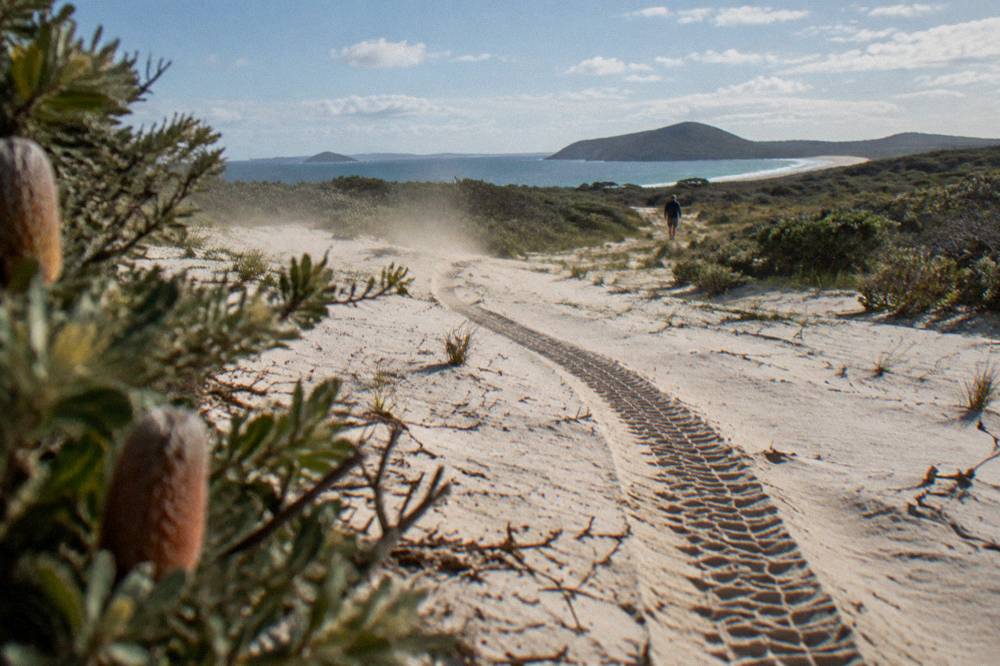
Walking onto the Stockton sand dunes is free and needs no permit: entry is free for walkers, cyclists and horse riders, and the shortest route is from the Birubi Point lower car park at the end of James Paterson Street, Anna Bay, or from the Gan Gan Road area. On foot you reach the dune face and views within minutes, but the deep sand mass beyond is tour and permit territory.
This is the option families with small children and travellers without a car budget should take seriously. You park at Birubi Point, walk onto the sand, and within a few minutes you are standing on the edge of the largest moving coastal sand mass in the southern hemisphere with the whole Bight spread out north. It costs nothing and requires nothing except sunscreen and water, and there are no facilities on the lands themselves, no toilets, water or bins, so arrive prepared.
Two cautions apply. The beach inside the park is unpatrolled and NSW National Parks currently advises against swimming there due to hazardous surf, with an alert running from 23 September 2026 to 28 April 2027; the nearest patrolled option is Birubi Beach, where the surf club's flags go up through the warmer months. And the same alerts page carries an H5 bird flu notice about sick or dead wild birds: do not touch them, report them. Our free activities guide lists more cost-free ways to see the dunes and the coast around them.
If you want to know whether the walk is enough or whether the paid tours are worth it, our how to access the Stockton sand dunes article walks the same decision in more detail.
Which Tour Fits Which Visitor?
Match the tour to your time and appetite: the Birubi Beach 4WD tour with sandboarding (75 minutes, from $39.55) suits short visits and families, unlimited sandboarding listings (from $27.76) suit active travellers on a budget, the quad bike adventure (1 hour, from $82.57) suits thrill-seekers 16 and over, and the 3 hour 4WD passenger tour (from $94) suits visitors who want the full dune and beach drive without driving.
The comparison below pulls together the listings that cover the dunes themselves, with the honest caveats attached: the two tag-along listings are non-refundable, and the tag-along in your own vehicle is priced per vehicle, with the first two people included. For most visitors the decision comes down to how long the dune segment lasts and whether sliding, riding or driving is the goal.
| Tour | Format | Duration | From | Rating | Best for |
|---|---|---|---|---|---|
| Birubi Beach 4WD tour with sandboarding | 4WD tour and slide | 75 minutes | $39.55 | 4.8 from 127 reviews | Families and short visits |
| Unlimited sandboarding (4WD Tours R Us) | Sandboarding | 1 to 1.5 hours | $29.84 | 4.5 from 574 reviews | Budget-conscious active travellers |
| Worimi quad bike adventure | Quad bike | 1 hour | $82.57 | 4.8 from 254 reviews | Thrill-seekers 16 and over |
| Beach and dune 4WD passenger tour | Passenger 4WD | 3 hours | $94.00 | 5.0 from 30 reviews | The full dune drive, no driving |
| Beach and dune 4WD tag-along (own vehicle) | Tag-along | 3 hours | $257.96 per vehicle | 4.9 from 90 reviews | Experienced 4WD owners |
The 3 hour passenger tour deserves a special note because it is the only way to experience the long dune run as a pure passenger: a small group of up to 14 travellers, meeting at the SPAR supermarket car park on Gan Gan Road, rated 5.0 from 30 reviews. It is non-refundable, so book it only when your date is locked. The tag-along version, where you drive your own 4WD behind a guide, is also non-refundable and does not include the beach vehicle permit or the $6.50 per extra passenger NPWS fee payable on departure.
Visitors coming from Sydney without a car have a different calculation, and our Port Stephens day trip from Sydney guide covers the full-day options, several of which bundle the dunes with a dolphin cruise or a koala sanctuary stop.
Best Time To Visit And Current Alerts
The dunes are open year-round but the park may close for poor weather or fire danger, and the best conditions are the milder months: mean maximums at nearby Williamtown run from 17.2°C in July to 28.3°C in January, with spring the driest stretch at about 60 mm of rain across September. Avoid the beachfront one hour either side of high tide if driving, and check the official alerts page before any visit.
The climate record from the Bureau of Meteorology's Williamtown station, which has measured this coast since 1942, gives a practical picture. Summer means hot sand and mean maxima near 28°C, winter means July days near 17°C and cold wind on an exposed dune face, and spring offers the friendliest mix of warmth and low rainfall, with September the driest month on record at 60.1 mm. Sand temperature is the hidden variable: on a January afternoon the surface sand is painful underfoot, so barefoot walkers should go early, and the sandboarding operators run morning sessions for exactly this reason.
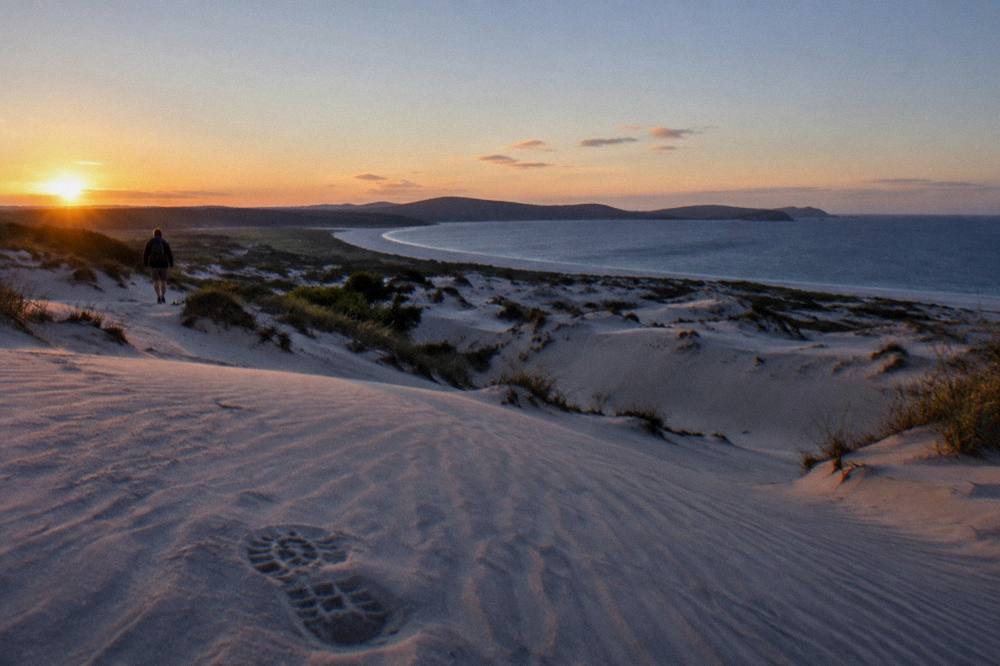
Crowds follow the school calendar. NSW spring school holidays run 28 September to 9 October 2026 and the summer break runs 18 December 2026 to 27 January 2027, and Anna Bay parking and tour sessions feel both. If your dates are fixed inside those windows, book the dune tours early and arrive before mid-morning for the walk-in option. The park's local alerts page is the authoritative source for closures, and it currently lists the swimming advisory and the bird flu notice rather than any park-wide closure.
Whatever the season, the dunes reward the early start. Tour sessions, the light for photographs and the sand temperature underfoot all improve before noon, and the afternoon sessions at some operators are capped shorter. Check times on the live listing for the tour you choose rather than assuming a full-day schedule.
Common Questions About The Stockton Sand Dunes
What are the Stockton sand dunes?
They are the moving coastal sand mass of Stockton Bight at Port Stephens, 32 kilometres long, which NSW National Parks describes as the largest moving coastal sand dunes in the southern hemisphere. The sand began forming over 100,000 years ago and the dunes still shift with wind today, sitting inside the Worimi Conservation Lands, owned by the Worimi Aboriginal community and co-managed with NSW National Parks.
Can you walk on the Stockton sand dunes for free?
Yes. Entry is free for walkers, cyclists and horse riders, and no permit is required. The shortest walk-in is from the Birubi Point lower car park at the end of James Paterson Street, Anna Bay, which puts you on the dune edge within minutes. There are no toilets, water or bins on the lands, so bring what you need.
Do you need a permit to drive on the Stockton sand dunes?
You need a Worimi beach vehicle permit for any 4WD, bought online only since 3 March 2026: A$33 for three days, A$88 for a year, A$44 for pensioners. Driving is waterfront-only between Gan Gan and Lavis Lane, the frontal dune is off limits, and independent dune driving is confined to the 350 hectare Recreational Vehicle Area entered at Lavis Lane. Guided tours include park entry, so tour passengers need no permit at all.
How much does a dune tour at Port Stephens cost?
Bookable dune tours on this site run from $27.76 per person for unlimited sandboarding with a 4WD transfer up to $257.96 per vehicle for the tag-along tour where you drive your own 4WD. In between sit the 75 minute Birubi Beach 4WD tour with sandboarding from $39.55, the 1 hour quad bike adventure from $82.57, and the 3 hour passenger 4WD tour from $94 per person.
Are the Stockton sand dunes open all year?
The Worimi Conservation Lands are always open in principle, but NSW National Parks states they may close at times due to poor weather or fire danger, so check the park's local alerts page on the day. Tour operators run in most conditions and some run rain or shine, but high wind and storm days can stop sandboarding sessions. No park-wide closure is currently listed.
Can you swim at the Stockton dunes beach?
No. The beach inside the park is unpatrolled and NSW National Parks advises against swimming due to hazardous surf, with an advisory running from 23 September 2026 to 28 April 2027. The nearest patrolled option is Birubi Beach at Anna Bay, where lifeguard and surf club patrols run through the warmer months, always swim between the flags.