Worimi Conservation Lands: What They Are, Who Owns Them And How To Visit
The Worimi Conservation Lands hold the Stockton Bight dunes, the largest moving coastal sand dunes in the southern hemisphere, and they are owned and co-managed by the Worimi Aboriginal community with NSW National Parks. Here is what that means for a visitor: the three entries, the permit rules, the closures that can happen, and the tours that include park entry.
Short answer
The Worimi Conservation Lands cover Worimi National Park, the Worimi State Conservation Area and Worimi Regional Park on Stockton Bight, north of Newcastle. The lands are owned by the Worimi Aboriginal community and co-managed with NSW National Parks. They are always open but may close for poor weather or fire danger. Walkers enter free; 4WDs need a beach vehicle permit, online only since 3 March 2026.
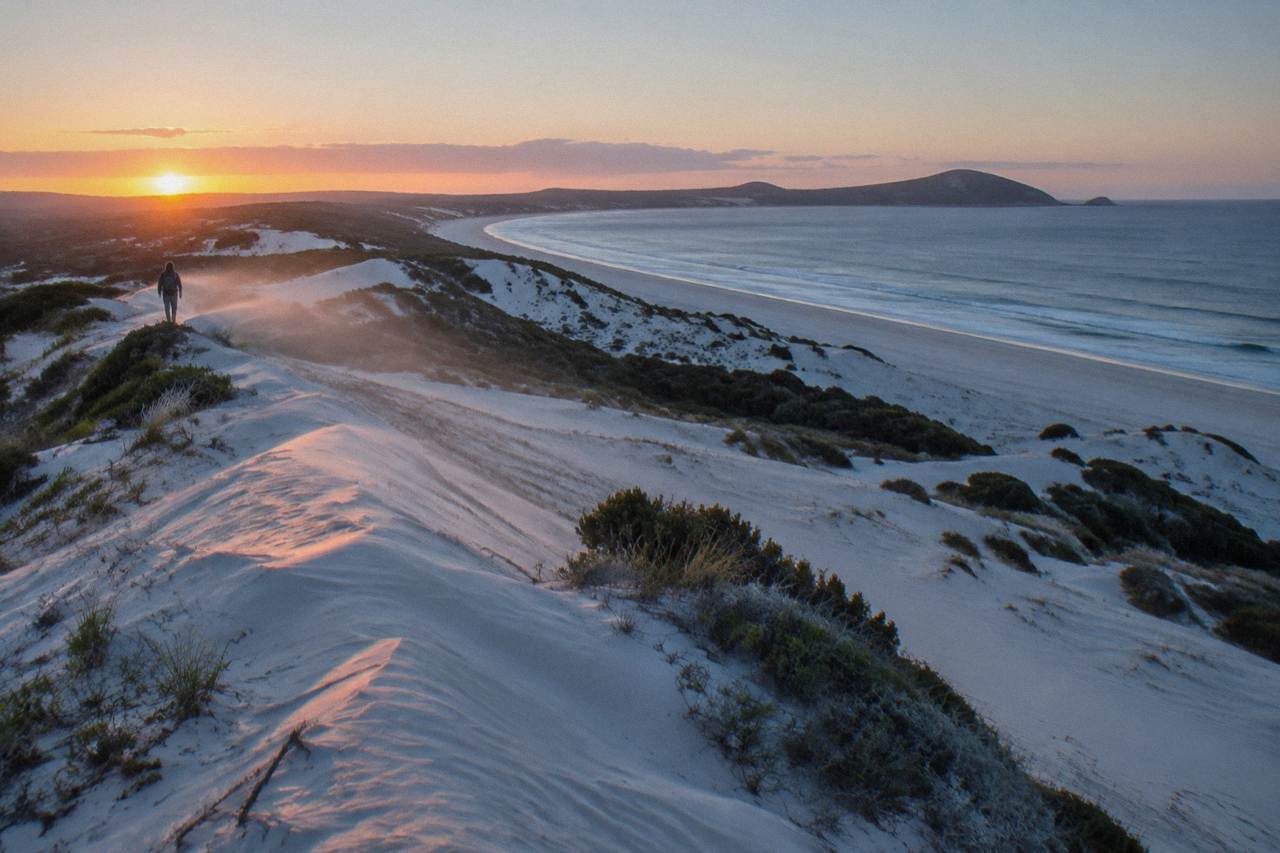
The Worimi Conservation Lands stretch along Stockton Bight, the 32 km beach and dune system north of Newcastle that NSW National Parks describes as holding the largest moving coastal sand dunes in the southern hemisphere. What makes these lands different from almost every other park in New South Wales is ownership: the land belongs to the Worimi Aboriginal community, which co-manages it with NSW National Parks. That fact shapes everything about a visit, from where you can drive to why the frontal dune is off limits.
This guide sets out what the Conservation Lands actually are, who runs them, the three vehicle entries, the permit system that went online only on 3 March 2026, and the cultural rules that apply to every visitor. It also covers the practical question most people arrive with: whether to drive on yourself or take a licensed tour, where the tour price already includes park entry. The dunes here are the same dunes you slide down on a sandboard, ride on a quad or cross in a 4WD, so the rules below apply to almost every dune activity in the region.
What Are The Worimi Conservation Lands?
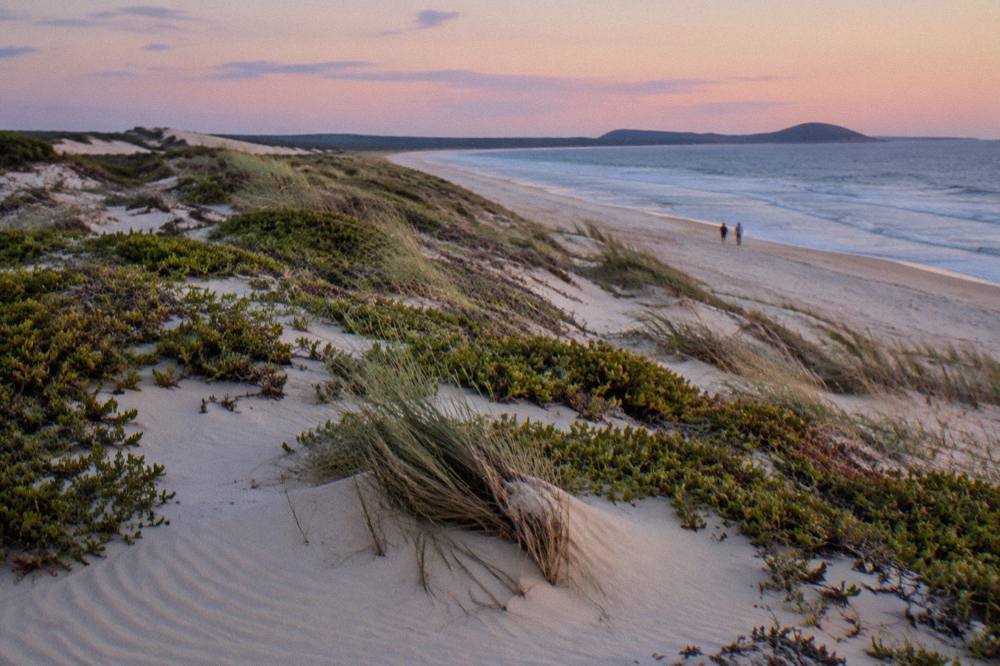
The Worimi Conservation Lands are a set of three adjoining protected areas on Stockton Bight: Worimi National Park, the Worimi State Conservation Area and Worimi Regional Park. Together they protect the moving sand dunes, more than 19 km of beachfront and over 1,800 hectares of forest behind the dunes. NSW National Parks states the lands are owned and co-managed by the local Worimi Aboriginal community in partnership with the park service.
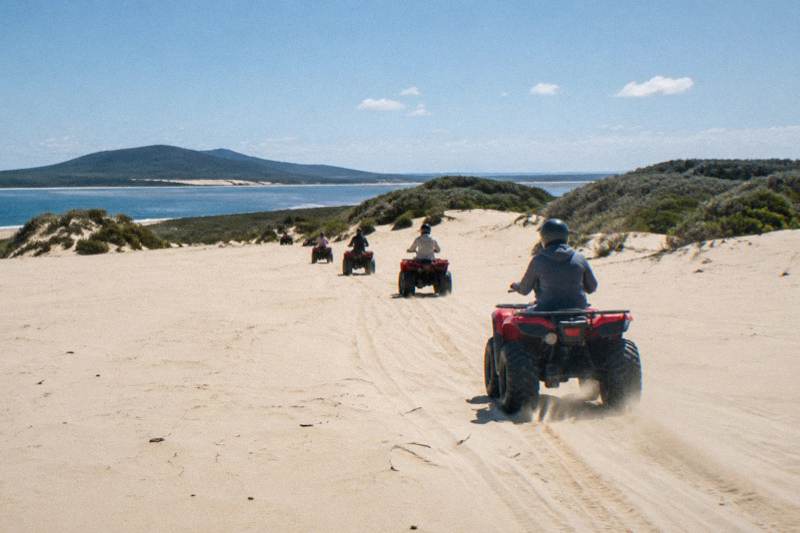
The three sections serve different purposes. Worimi National Park carries the strongest protection, covering the dunes and the cultural sites within them. The State Conservation Area allows for mineral exploration rights to persist in a way a national park would not. The Regional Park, at the southern end near Lavis Lane, holds the 350 hectare Recreational Vehicle Area where conditionally registered quads and motorbikes can ride the dunes legally. For a visitor the boundaries matter mainly for driving: the rules change depending on which section you are in.
The landscape itself began forming well over 100,000 years ago, and the sand keeps moving. Stockton, at 32 km, is the state's longest beach. Behind the frontal dune sit middens, campsites and burials of Aboriginal cultural significance, which is the single biggest reason driving is restricted to the waterfront and the Recreational Vehicle Area. The lands hold middens, campsites and burials of Aboriginal cultural significance, and the co-management arrangement exists to protect them while still allowing recreation.
If you are planning a wider trip around the region, our guide to the Stockton Bight sand dunes covers the dune system itself, and the Anna Bay sand dunes guide covers the northern gateway most visitors use.
Who Owns The Dunes And What Does Co-Management Mean?
The Worimi Aboriginal community owns the Conservation Lands, and a board of management jointly runs them with NSW National Parks. This is not standard public land: revenue from permits and commercial licences is reinvested in maintaining the lands, and decisions about access, closures and commercial tours are made with Worimi people in the lead. Licensed tour operators hold a Parks Eco Pass to work here.
Practically, co-management is why the rules are stricter than at a typical beach. The frontal dune is closed to vehicles because past illegal driving eroded it and damaged cultural sites. The Recreational Vehicle Area exists so dune riding can happen in one contained zone rather than across the whole landscape. Fines apply for driving without a valid permit or breaching conditions, and rangers patrol.
It is also why the Aboriginal-owned operators here matter. Sand Dune Adventures, the quad bike operator, is Aboriginal-owned and run through the Worimi Local Aboriginal Land Council, and NSW National Parks lists it as such. Taking a tour with a licensed operator is not just a convenience, it is the arrangement the land's owners have set up for commercial activity on their country.
A respectful visiting tone is part of the deal. The dunes are a cultural landscape, not just a sandpit. Stay on marked tracks, do not climb on the vegetated frontal dune, leave shells and artefacts where they lie, and follow the directions of tour guides, who are often the people with the deepest knowledge of what the land holds.
Which Entries Get You Onto The Lands?
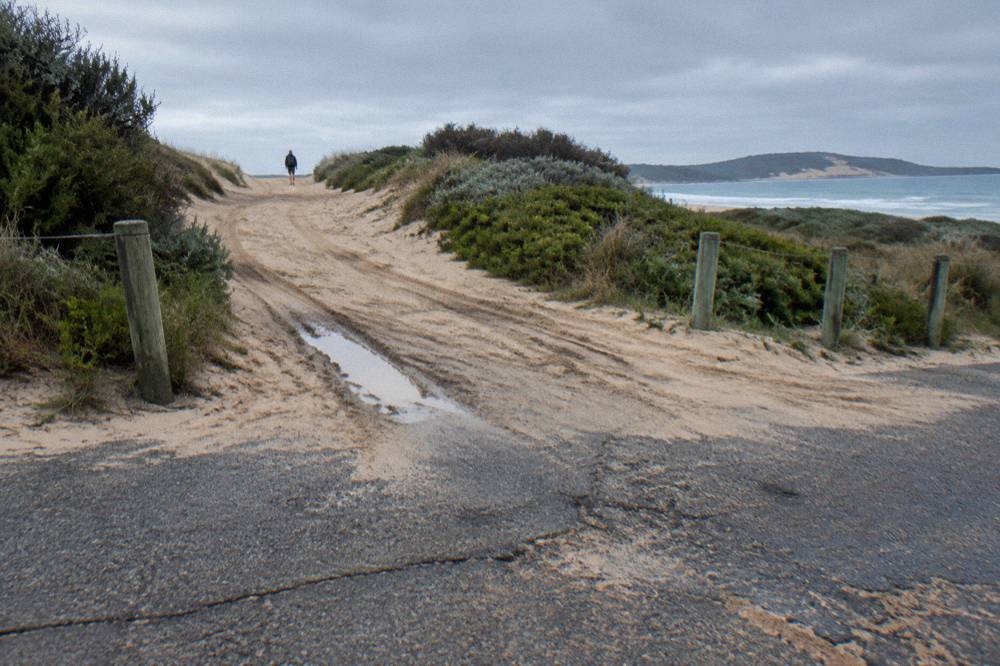
There are three vehicle entries: Gan Gan Road at Anna Bay, Lavis Lane at Williamtown and Fern Bay at the southern end. Gan Gan is the main entry for 4WDs and the only one where dogs may travel in vehicles. Lavis Lane is the only entry open to conditionally registered quads and motorbikes and the gateway to the Recreational Vehicle Area. Fern Bay is one-way out, for experienced drivers, with no trailers or quads.
Gan Gan suits most first-time visitors because it sits minutes from Anna Bay and Birubi Point, where the sandboarding and camel operators are based. From the Gan Gan track you drive south along the waterfront toward Lavis Lane. The small stretch of beach at Birubi, left of the Gan Gan track, is closed to vehicles entirely for public safety near the patrolled swimming area.
Lavis Lane, at Williamtown, is the staging area for quad riding and the dune driving zone. If you are riding with Sand Dune Adventures, this is where the quad tours stage from. Fern Bay is the least used: the official site describes it as one-way and suitable only for experienced drivers, with no trailers or conditionally registered vehicles.
Walkers, cyclists and horse riders enter free at any of these points, no permit needed. Most people who come to the dunes without a vehicle enter on foot from the Birubi Point end, which is where the licensed sandboarding operators run their 4WD transfers from. Our Birubi Point and Birubi Beach guide covers that side of the access picture.
Here is how the three entries compare:
| Entry | Location | Opens for | Notes |
|---|---|---|---|
| Gan Gan Road | Anna Bay | 4WDs, pedestrians, dogs in vehicles | No conditionally registered quads or motorbikes; vehicles excluded from the Birubi swimming stretch |
| Lavis Lane | Williamtown | All vehicles including quads and motorbikes | Only entry for conditionally registered vehicles; leads to the 350 ha Recreational Vehicle Area |
| Fern Bay | Fern Bay | 4WDs, one-way | Experienced drivers only, no trailers, no quads |
Most visitors comparing a self-drive permit against a tour land on the same trade-off: a permit buys you the beachfront, a tour buys you the dunes. These three listings cover the main ways a tour handles the access for you:
Do You Need A Permit To Drive On Stockton Beach?
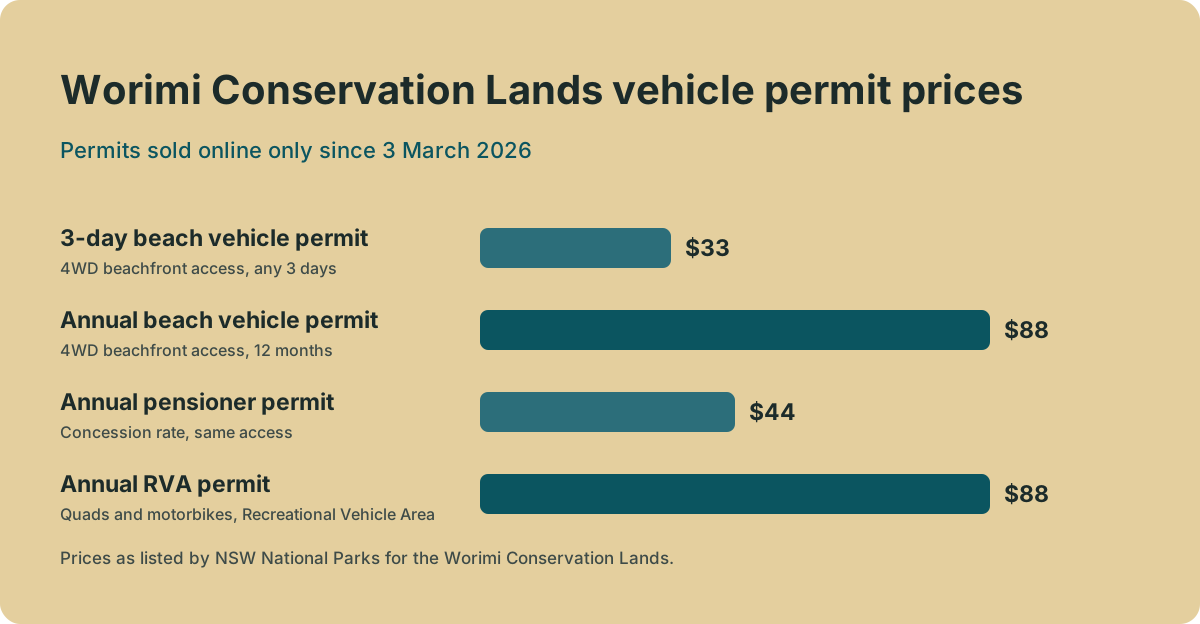
Yes, every 4WD and recreational vehicle needs a Worimi Conservation Lands beach vehicle permit, and since 3 March 2026 permits are sold online only. A 3-day permit costs $33, an annual permit $88, an annual pensioner permit $44 and an annual Recreational Vehicle Area permit $88. NSW National Park annual passes are not valid here. Walkers, cyclists and horse riders enter free.
The move to online-only sales is the one genuine recent change on the lands. The Worimi Conservation Lands board announced that from 3 March 2026 permits would only be available online, ending paper permit outlets. Prices and conditions did not change. Paper permits bought before that date remain valid until they expire. You buy through the official NSW National Parks permit site, and rangers check permits on the beach, so have the digital permit accessible on your phone.
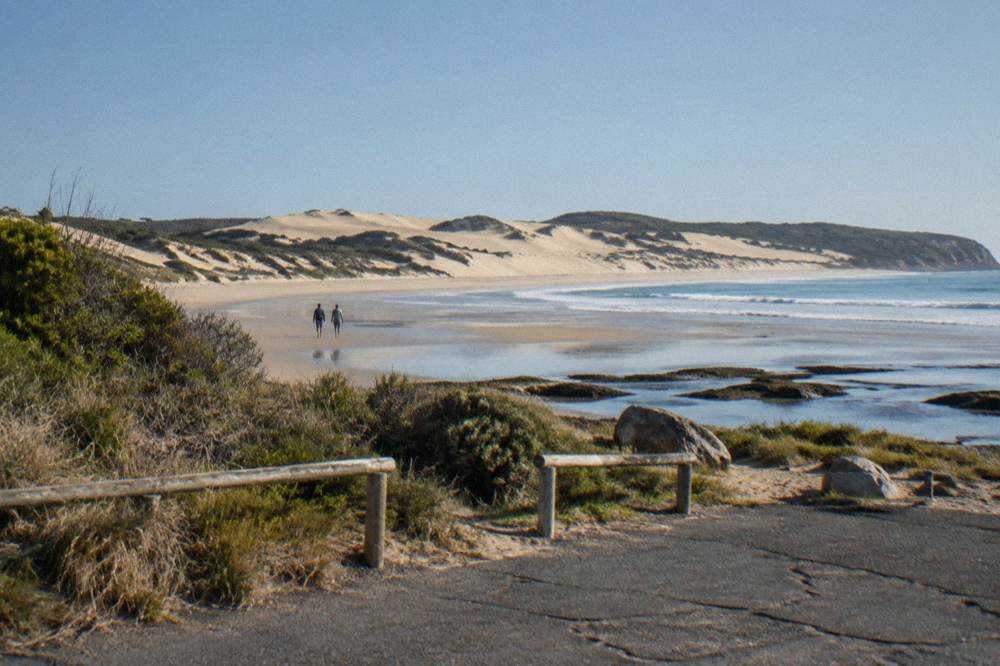
What the permit buys is the waterfront. Four-wheel drive access covers more than 19 km of Stockton beach front between Gan Gan and Lavis Lane, plus the 350 hectare Recreational Vehicle Area for permit-holding quads and motorbikes. Driving is on the wet sand only, within the intertidal zone. Diverting onto or behind the frontal dune is not permitted anywhere, and driving over vegetation is an offence.
The official advice is to avoid the beachfront within one hour either side of high tide, when pinch points can make sections impassable. The NSW Environment and Heritage guidance on beach driving on the Conservation Lands sets out the full conditions, and the board's permit announcement confirms the online-only change.
| Permit type | Price | Covers |
|---|---|---|
| 3-day beach vehicle permit | $33 | 4WD beachfront access, any 3 days |
| Annual beach vehicle permit | $88 | 4WD beachfront access, 12 months |
| Annual pensioner permit | $44 | Concession rate, same access |
| Annual RVA permit | $88 | Conditionally registered quads and motorbikes, Recreational Vehicle Area |
Guided tours sidestep all of this. A licensed commercial tour operator's price includes the park entry fee, which is why a sandboarding session with a licensed operator costs less than you might expect once you price a permit separately. The Birubi Beach 4WD tour with sandboarding from Port Stephens 4WD Tours, 75 minutes from $39.55 per person, includes the 4WD transport, boards and instruction, and free cancellation. Check availability on the live listing if the date matters, since sessions fill in school holidays.
When Are The Lands Open And When Do They Close?
The Worimi Conservation Lands are always open in principle, but NSW National Parks states they may close at times due to poor weather or fire danger. There is no gate or fixed opening hour. At the time of the current alerts, the beach is listed as unsafe for swimming, with the alert running from 23 September 2026 to 28 April 2027, and an H5 bird flu alert asks visitors to avoid contact with sick or dead wild birds.
Closures can appear overnight. A storm, a fire danger rating or hazardous surf can shut sections of the beach at short notice, and the official alerts page is the place to check on the morning of a visit. The swimming alert deserves emphasis: the beach within the park is unpatrolled, and swimming is not advised. If swimming is part of the day, Birubi Beach at Anna Bay is the patrolled option, with lifeguard patrols through the warmer months. Before you plan your swim there, the guide to swimming safely at Birubi Beach explains what the patrol flags and seasonal alerts mean for your day.
Weather shapes the dune experience as much as access does. The Bureau of Meteorology's Williamtown records, the closest long-term station to the lands, show mean maximum temperatures from 28.3 degrees in January down to 17.2 in July, with mean rainfall fairly evenly spread through the year and spring the driest stretch. Summer means hot sand underfoot and strong sun; winter means cooler sand and fewer people. Spring school holidays, 28 September to 9 October 2026, and the summer break from 18 December 2026 to 27 January 2027 are the busiest windows at the Anna Bay end.
Wind matters more than rain for sandboarding and quad riding. Operators run in light rain if conditions allow, but strong wind can close sessions because loose sand moving across the dune face is unpleasant and can be unsafe. If you have booked a tour, the operator will contact you if conditions force a change; the licensed sandboarding and quad listings on this site all carry free cancellation except the two tag-along tours, which are non-refundable.
What Does A Guided Tour Include That Self-Driving Does Not?
A licensed tour includes the park entry fee, the equipment, and access to parts of the dunes self-drivers cannot reach, because commercial operators hold a Parks Eco Pass and run on approved routes. NSW National Parks lists Sand Dune Safaris, 4WD Tours R Us, Port Stephens 4WD Tours, Sand Dune Adventures and Oakfield Ranch as licensed operators here. Self-driving gets you the beachfront; a tour gets you onto the dunes themselves.
That distinction is the core of the decision. A permit holder can drive the wet sand and, with the RVA permit and a conditionally registered quad, ride one contained dune zone. But the high dunes where sandboarding happens, the routes the 4WD tours use and the quad tracks are commercial tour territory, run under licence. You cannot walk or drive to the big sliding slopes on your own.
The tour formats differ enough to be worth matching to your group:
| Tour | Operator | Format | From | Cancellation |
|---|---|---|---|---|
| Unlimited sandboarding with 4WD transfer | Sand Dune Safaris | Sit-down and stand-up boards, 1-2 hours at the dunes | $27.76 per person | Free |
| Unlimited sandboarding experience | 4WD Tours R Us | Sit-down boards, unlimited time, 574 reviews | $29.84 per person | Free |
| Birubi Beach 4WD tour with sandboarding | Port Stephens 4WD Tours | 75 minute 4WD tour with boarding | $39.55 per person | Free |
| Worimi quad bike adventure | Sand Dune Adventures | 1 hour, drivers 16 and over, Aboriginal-owned | $82.57 per person | Free |
Sand Dune Safaris is the only operator here offering both sit-down and stand-up boards, per the operator's own page, and NSW National Parks lists it and 4WD Tours R Us as licensed Worimi sandboarding operators. The quad tour with Sand Dune Adventures is the Aboriginal-owned option, running one hour with drivers 16 and over, self-drive on weekdays and Sundays with transfers on Saturdays only.
For families with young children, the sit-down sandboarding listings are the gentlest entry point: children 3 and under ride free with Sand Dune Safaris, and all three sandboarding operators meet you at the Anna Bay end with no hotel pickup needed. Check the live listing for session times on your date, since the last afternoon sessions are capped and school holiday slots go first.
How Do You Visit The Lands Respectfully?
Visit with the understanding that this is a living cultural landscape owned by its Traditional Custodians: stay on the intertidal sand or the Recreational Vehicle Area, never drive or walk on the vegetated frontal dune, leave artefacts and middens untouched, take rubbish out with you, and follow the guidance of licensed operators and rangers. The lands have no toilets, water or bins, so arrive prepared.
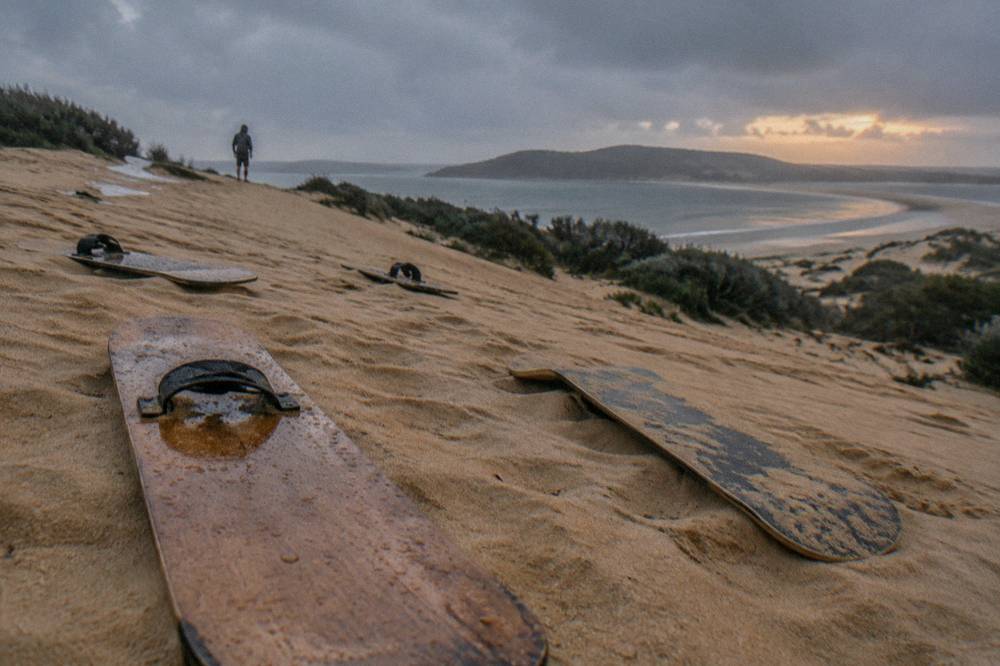
The frontal dune rule is the one that matters most. The vegetated dune at the back of the beach protects cultural sites and holds the sand system together; past vehicle damage caused erosion and led to closures, and rehabilitation is ongoing. Climbing the vegetated dune on foot damages it too. The bare sand slopes where sandboarding happens are operated areas, managed by licensees, and that is the right place to play on the sand.
Rubbish and fire are the other flashpoints. There are no bins anywhere in the lands, so everything you carry in leaves with you. Fires are not part of the permitted activities, and the fire danger closures mentioned earlier exist partly because of how dry the hind dune forest gets in summer.
Photography is welcome, but drones are not, at least on the camel operation at Birubi Point, which bans them outright; treat the whole lands as a place to ask before flying. If you want a deeper cultural experience, the Aboriginal-owned quad tour is the listing on this site that puts you with Worimi guides on Worimi land, and the quad biking guide covers what that ride involves.
How Much Time Do You Need At The Dunes?
Most visitors spend one to two hours on the sand with a sandboarding or quad operator, plus the 4WD transfer each way, which takes about 10 minutes. A self-drive beach trip can run half a day or more depending on how far south you drive. A full day lets you combine the dunes with Birubi Point, Anna Bay and Nelson Bay without rushing.
The sandboarding listings describe unlimited time on the hill within opening hours, with most people staying one to two hours before the walk back up the slope tires them out. The quad tour is a fixed hour of riding. The 75 minute Birubi Beach 4WD tour is the shortest structured option. If you are combining the dunes with a dolphin cruise or a Tomaree Head summit walk, which is about 2.2 km return and steep, a full day is the realistic frame, and the Port Stephens day trip from Sydney guide covers the packaged versions of exactly that day.
Timing within the day matters. Morning sand is cooler in summer, and afternoon light is the better photography window. The last afternoon sandboarding sessions are capped near an hour at Port Stephens 4WD Tours, so the operator recommends arriving earlier for full access. Avoid the hour either side of high tide if you are driving the beachfront.
For readers planning the whole region, Port Stephens is a 2.5 hour drive north of Sydney and Newcastle Airport is about 30 minutes from Nelson Bay, per Visit NSW. Our how long do you need at the sand dunes article goes deeper on scheduling a visit around tides and tour times.
What Should You Choose: Permit, Tour Or Both?
Choose a permit if you want to drive your own 4WD along 19 km of beachfront and you already have a capable vehicle. Choose a licensed tour if you want the dunes, the sandboards, the quads or the high slopes, because no permit gets you those. Many visitors do both in one day: a morning sandboarding session at Anna Bay, then a self-drive run down the beach in the afternoon.
The cost comparison is straightforward. A 3-day permit at $33 covers one vehicle for the beachfront. The cheapest sandboarding listing on this site is from $27.76 per person with Sand Dune Safaris, boards, transfer and instruction included, and the most reviewed is 4WD Tours R Us at from $29.84 per person with 574 reviews at 4.5. For two people, a tour and a permit cost about the same, but only the tour puts you on the dunes. The official Worimi National Park page is the authority on what the lands hold; the tour listings here are the way to book the parts of it you can rent.
One caution on the self-drive side: recovery is your problem. If you bog your vehicle on the beachfront, you arrange your own recovery, and the tide does not wait. The tag-along tours solve this neatly, a licensed guide leading you in your own 4WD, though both tag-along listings are non-refundable and the own-vehicle version does not include the beach permit. For most first-timers, a passenger tour or a sandboarding session is the lower-stress entry to the lands.
If you are still weighing options, the site's dune tour prices compared guide puts every listing side by side, and Port Stephens Sand Dune Tours keeps a live list of what is actually bookable on the dunes right now.
Common Questions About The Worimi Conservation Lands
What are the Worimi Conservation Lands?
Three adjoining protected areas on Stockton Bight: Worimi National Park, the Worimi State Conservation Area and Worimi Regional Park. Together they hold the largest moving coastal sand dunes in the southern hemisphere, more than 19 km of beachfront and over 1,800 hectares of forest. The lands are owned by the Worimi Aboriginal community and co-managed with NSW National Parks.
Do I need a permit to visit the Worimi Conservation Lands?
Only if you bring a vehicle. Walkers, cyclists and horse riders enter free. Every 4WD and recreational vehicle needs a Worimi Conservation Lands beach vehicle permit, sold online only since 3 March 2026. A 3-day permit costs $33 and an annual permit $88. NSW National Park annual passes are not valid here.
Are the Worimi Conservation Lands always open?
The lands are always open in principle, but they may close at times due to poor weather or fire danger, per NSW National Parks. Check the official alerts page on the day of your visit. The beach within the park is unpatrolled and swimming is not advised under a current alert running to 28 April 2027.
Can I drive on the dunes at Stockton Bight?
Not on the main dunes. Vehicles drive the waterfront between Gan Gan and Lavis Lane only, never over the frontal dune. Dune riding is limited to the 350 hectare Recreational Vehicle Area near Lavis Lane, and only for conditionally registered quads and motorbikes with an annual RVA permit at $88.
Do guided tours include park entry?
Yes. Licensed commercial tour operators hold a Parks Eco Pass and their tour prices include the park entry fee, so no separate permit is needed. NSW National Parks lists Sand Dune Safaris, 4WD Tours R Us, Port Stephens 4WD Tours, Sand Dune Adventures and Oakfield Ranch as licensed operators on these lands.
Where do I enter the Worimi Conservation Lands?
Three vehicle entries: Gan Gan Road at Anna Bay, Lavis Lane at Williamtown and Fern Bay. Gan Gan is the main 4WD entry and the only one allowing dogs in vehicles. Lavis Lane is the only entry for conditionally registered quads and motorbikes. Fern Bay is one-way and for experienced drivers only.